

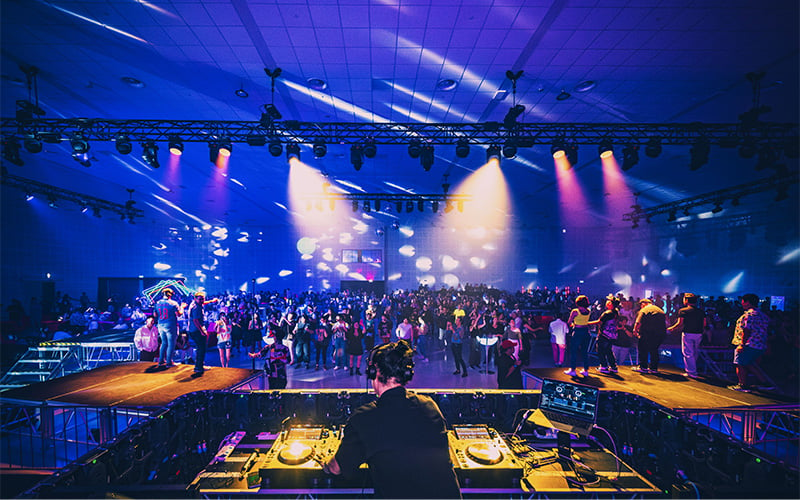
Regional and overseas brands involved in planning events in Singapore often face additional layers of coordination compared to locally managed projects. From aligning across time zones to working within venue-specific requirements, each decision carries operational implications. In this context, furniture rental becomes more than a styling element. It supports how layouts are executed, how logistics are managed, and how consistently a brand experience is delivered on-site.
For professionals managing events for international brands, early alignment on furniture planning helps reduce uncertainty while supporting smoother execution on the ground. Even for teams based in nearby regions such as Johor Bahru or Kuala Lumpur, understanding Singapore’s operating environment allows for more reliable planning and fewer adjustments during setup.
For teams planning events in Singapore, the local context plays a defining role in execution quality. Venue access rules, delivery windows, and labour coordination are structured and consistently enforced, often requiring a level of precision that differs from other markets in the region.
Working within these frameworks helps prevent avoidable delays and supports smoother coordination across all stages of the event. A clear understanding of how event setup in Singapore is structured around venue schedules allows teams to plan layouts and installations with greater accuracy, reducing the risk of disruptions during load-in or setup.
For regional teams managing projects remotely, logistics and setup form the operational backbone of successful delivery. Without clear coordination, even well-considered designs may encounter challenges during installation. Establishing well-defined processes early allows teams to maintain control while reducing the need for constant on-site oversight.
Careful planning around access points and delivery timing ensures that setup progresses in a controlled and efficient manner. Singapore venues typically operate within defined load-in schedules and designated entry routes, which require coordination between suppliers and venue teams. Aligning these details early helps avoid congestion, sequencing conflicts, and delays, particularly in venues hosting multiple events or vendors.
A coordinated approach to setup and dismantling helps ensure consistency without requiring full on-site supervision. End-to-end services that include delivery, installation, and teardown are especially valuable when managing logistics for corporate events across locations. This allows organisers more fully to focus on programme delivery and stakeholder engagement, while operational execution remains coordinated with the overall plan.
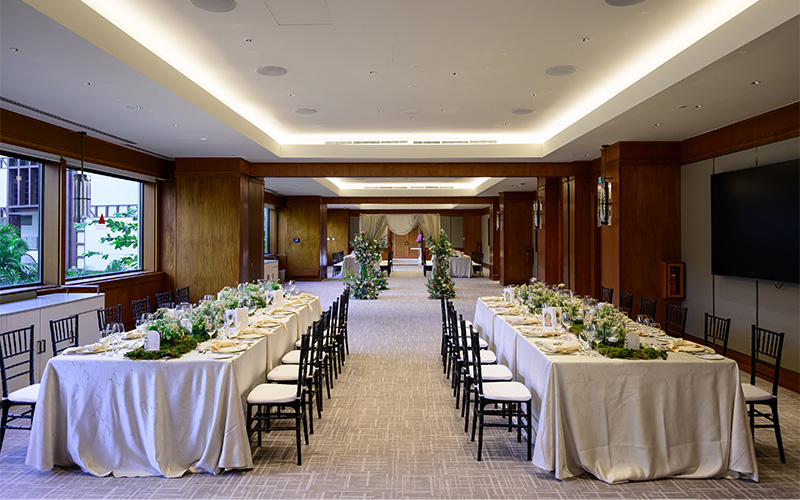
Aligning furniture selection with venue requirements is essential to ensure both compliance and a well-structured event environment. In Singapore, venues operate within clearly defined logistical frameworks that influence how spaces can be configured and used. Taking these factors into account early helps teams translate design intent into layouts that are both functional and visually refined.
Understanding technical limitations ensures that setups remain practical within the venue’s operating conditions. Factors such as lift access, floor loading capacity, and designated setup zones can affect how furniture is delivered and arranged. Accounting for these constraints early helps enable smoother installation and reduces the need for last-minute adjustments.
Thoughtful spatial planning helps create an environment that supports both movement and engagement. Furniture placement should guide guests naturally through different zones while maintaining clear sightlines and functional separation. In exhibition or activation settings, incorporating elements such as pop-up shop furniture rental requires careful positioning to balance branding visibility with accessibility, ensuring that the space remains both practical and visually cohesive.
Sustainability considerations continue to shape how brands approach planning events in Singapore today. Many venues and organisers prioritise environmentally responsible practices, including material selection and waste management processes that align with local expectations.
Ensuring that furniture choices meet these standards supports smoother approvals and reflects broader corporate sustainability objectives. Awareness of local compliance requirements also helps maintain efficiency throughout the event lifecycle, reducing the likelihood of operational disruptions.
For organisations involved in planning events in Singapore, maintaining a consistent brand presence across different locations remains an important objective. Furniture selection contributes directly to how brand identity is communicated, influencing both visual presentation and overall atmosphere.
Choosing pieces that align with established design standards helps create continuity between Singapore activations and those in nearby markets. Whether configuring lounge areas or selecting options to rent outdoor tables and chairs for networking segments, consistency in furniture and layout supports a cohesive brand experience.
Accurate budgeting is essential for teams managing events from outside Singapore, where visibility into local costs may be limited. A structured approach to pricing supports clearer planning and reduces uncertainty during execution.
A detailed breakdown of cost elements provides clarity on what is required for the event setup. Furniture rental typically includes more than individual items, extending to delivery, installation, dismantling, and contingency support. Understanding these components ensures that budgeting decisions are based on a complete and realistic view.
Transparent pricing helps align expectations clearly across stakeholders and planning teams. When costs are clearly outlined, approvals can be managed more efficiently, and expectations remain consistent. Having visibility into details such as the price of chairs and tables for rent allows teams to plan with greater confidence while minimising the risk of unexpected expenses.
Coordinating timelines across different locations requires a structured and realistic approach. Without sufficient lead time, delays in approvals or communication can affect supplier coordination and overall readiness.
Internal processes may require additional time when multiple teams are involved across regions. Approvals, revisions, and communication across time zones can extend decision-making timelines. Factoring in these requirements early helps maintain progress and ensures that preparation remains on track.
Securing furniture in advance supports smoother execution and greater flexibility in planning.
Early booking allows teams to reserve preferred items and allocate sufficient time for layout planning and refinements. This helps keep both design intent and logistical planning coordinated well ahead of the event date, reducing pressure during final execution.
Working with a reliable local supplier ensures more consistent execution, particularly when teams are coordinating remotely. Providers familiar with Singapore’s venue requirements, access protocols, and scheduling constraints are better positioned to manage logistics efficiently and anticipate potential challenges.
Events Partner provides full-service delivery, setup, and dismantling, supporting a consistent and well-managed approach across each stage of the event. This experience is especially relevant for regional clients who may not frequently operate in Singapore but require dependable on-site coordination.
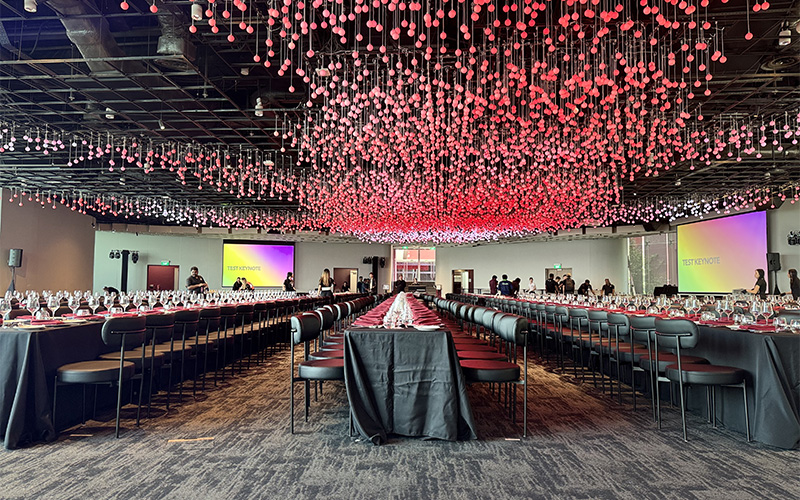
Regional and nearby overseas teams planning events in Singapore benefit from a well-defined approach that prioritises local understanding, logistical clarity, and design alignment. Furniture rental plays a central role in supporting both operational requirements and overall presentation, particularly when coordination spans multiple locations.
For regional and overseas teams managing events from a distance, early coordination with a local partner can make a measurable difference. Connect with our team to plan your furniture requirements, navigate venue considerations, and align logistics in Singapore with greater clarity and control.



 Delivery Fees
 Payment Methods
 FAQ
FAQ