

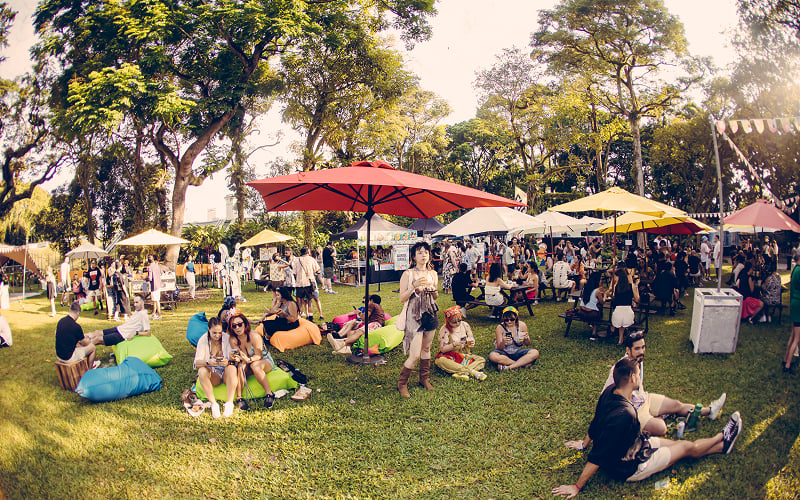
In Singapore’s fast-paced events landscape, venues often operate on tightly scheduled programmes where one function ends and another begins within hours. From hotel ballrooms to exhibition halls, the pressure to reset spaces quickly places significant demands on event operations. In this environment, furniture rental is not just a convenience but a critical enabler of fast, reliable venue transitions, supporting efficient workflows while maintaining a polished and cohesive event setup.
Back-to-back scheduling is a standard reality across corporate conferences, exhibitions, and private functions in Singapore. Each event often requires a different layout, from theatre seating to banquet arrangements or networking lounges, all within a limited timeframe.
Without a clear and coordinated approach, these transitions can affect timelines and disrupt overall delivery, impacting vendor coordination, attendee experience, and overall event quality. This is where event operations management plays an important role in maintaining continuity, allowing each phase to move forward with clarity and control.
A well-coordinated logistics approach is essential for reducing setup time, particularly in venues with restricted access windows and multiple teams working at once. When delivery, installation, and dismantling are aligned within a single workflow, organisers can maintain consistency while avoiding unnecessary delays. The result is a more controlled and predictable transition between events, supported by clear sequencing and reliable execution.
Effective turnaround begins with careful planning before furniture arrives on site. Delivery schedules are aligned with venue access timings to prevent congestion at loading areas and maintain a steady flow into the space. A professional furniture rental service supports this process by organising routes and delivery sequences in advance, allowing event operations to continue smoothly without disruption from logistical bottlenecks. With timing clearly mapped out, teams can move directly into setup once access is granted.
Once access is available, installation teams follow predefined layouts that guide placement and workflow across the venue. This reduces the need for on-the-spot adjustments and allows teams to move with purpose, maintaining a consistent pace throughout the setup. A clear layout not only supports faster installation but also contributes to visual consistency and spatial flow, ensuring that event operations remain steady even under tight timelines.
After the event concludes, dismantling is carried out in an organised sequence that prioritises both safety and speed. Furniture is cleared methodically, allowing the space to be freed up without unnecessary handling or disruption. With a clear removal process in place, the venue can be reset promptly and prepared for the next configuration. This approach shortens transition time and keeps subsequent setups on schedule.
Clearing a venue efficiently after an event is critical when schedules are tightly managed. Dismantling teams follow established processes to remove furniture while maintaining order within the space. Items are packed and removed in a way that supports immediate reconfiguration without interrupting the venue’s overall flow. As a result, teams can transition seamlessly between events while keeping the next setup on track, reducing turnaround pressure on both organisers and venue operators.
Venues hosting multiple events within a day rarely have the capacity to store furniture between sessions. Rental solutions address this by delivering items shortly before use and removing them immediately after, eliminating the need for temporary storage.
This keeps operational areas clear and reduces unnecessary handling during transitions. Within the context of venue turnaround planning, organisers are able to focus on execution while maintaining a clean and accessible working environment, minimising operational strain and improving coordination across teams.
Different event formats require distinct spatial arrangements, often within the same venue across a single day. A conference setup may need to transition into a workshop or networking session, each with its own layout requirements. Access to flexible inventory, such as modular seating, table rentals, and lounge furniture, allows these changes to be carried out smoothly. This flexibility supports both functional needs and visual intent, ensuring that event operations remain aligned with programme requirements as layouts are adjusted while preserving a consistent and well-curated spatial experience for attendees.
Venue access in Singapore is often governed by fixed schedules, including loading dock timings and service lift allocations. These constraints require careful planning to ensure that furniture movement aligns with operational requirements.
When logistics are coordinated with these access conditions, teams can maintain momentum throughout the setup process and avoid disruptions to setup timelines, reducing the risk of schedule overruns and last-minute delays.
Each venue operates with specific access rules that determine when and how items can be delivered and installed. Early awareness of these constraints allows teams to plan more accurately and avoid last-minute complications. With a clear understanding of access limitations, potential bottlenecks can be anticipated and managed before they impact setup progress.
Once access conditions are established, delivery and installation are arranged in a logical sequence that supports steady progress. Priority items are positioned first, allowing the rest of the configuration to follow without interruption. The availability of scalable options, such as modular seating and chair rental options, supports flexibility, ensuring that corporate event setup requirements are met smoothly, even when adjustments are needed. A well-planned sequence keeps teams moving continuously and reduces idle time between setup stages.
Even with detailed planning, adjustments may be required during setup. Experienced teams are able to respond by refining sequences or reallocating resources while maintaining overall coordination. This adaptability allows teams to maintain progress without compromising the overall plan. By responding efficiently to changes, the setup process can continue without extended delays or disruption to the schedule.
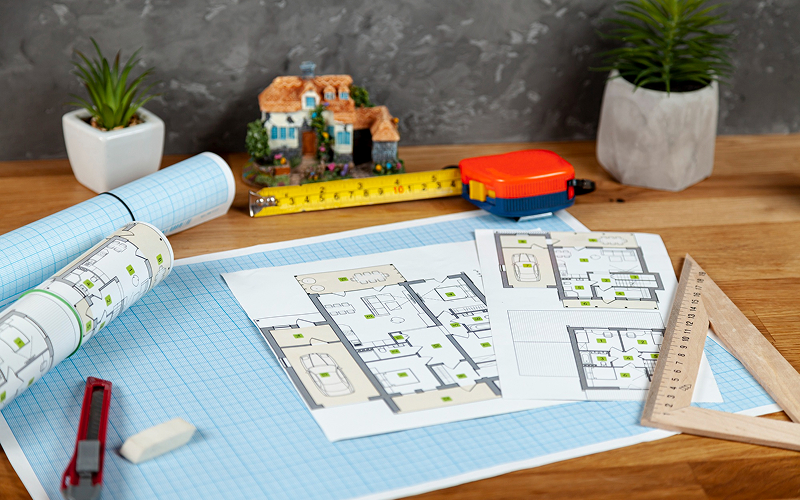
Clear floor layouts provide a strong foundation for efficient installation. When spatial planning is completed in advance, furniture placement becomes more systematic and less dependent on on-site decision-making. This preparation supports faster execution while maintaining alignment with both functional and design objectives, ensuring consistency across repeated setups within the same venue.
Detailed floor plans define furniture positioning, movement flow, and spacing before setup begins. With these elements clearly outlined, installation teams can follow a consistent approach without requiring constant direction. This clarity reduces the need for repositioning during setup and helps maintain alignment with the intended layout.
With a clear layout in place, teams can work in coordinated sections of the venue, reducing overlap and unnecessary movement. Installation progresses more smoothly when each team understands its role within the overall setup. By aligning logistics with spatial intent, organisers can ensure that event operations are carried out efficiently within the planned layout and completed within the required timeframe.
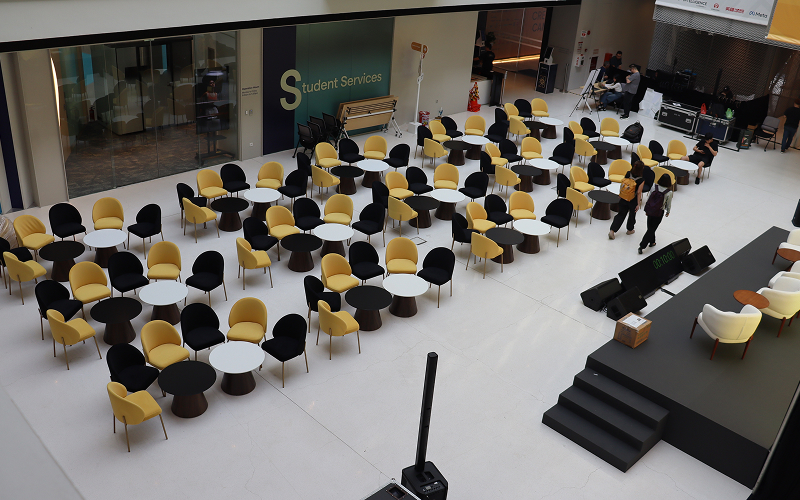
Fast venue turnarounds require close coordination between organisers, venues, and logistics teams. Furniture rental simplifies this process by removing storage constraints and supporting timely setup and dismantling within tight schedules. Events Partner works closely with organisers and venues to coordinate delivery, installation, and dismantling in a way that aligns with both operational requirements and event presentation standards.
Speak with our team today to streamline your venue turnaround process with coordinated furniture delivery, setup, and dismantling designed for fast, reliable, and professionally executed event transitions.



 Delivery Fees
 Payment Methods
 FAQ
FAQ