Brief furniture rental supplier agency guide for Singapore
May 21, 2026
Sourcing a reliable brief furniture rental supplier agency in Singapore is one of those tasks that looks straightforward until you are three weeks out from a corporate gala and your supplier cannot confirm delivery times. Whether you are planning a wedding solemnisation, a trade show booth, or a multi-day conference, the furniture you choose shapes how guests experience the space. This guide walks you through every practical step: from defining your requirements and vetting suppliers to managing contracts, avoiding hidden costs, and building supplier relationships that pay off across future events.
List every furniture item, quantity, and style before contacting any furniture leasing agency.
Lock dates and layouts early
Strict cancellation and postponement policies mean late changes carry real financial penalties.
Request itemised quotes
Per-item pricing, delivery, manpower, and overtime must all appear as separate line items.
Communicate venue access upfront
Failure to share load-in details early causes setup delays and potential surcharges.
Verify post-event processes
Confirm collection times, damage assessment procedures, and resolution contacts before signing.
What a brief furniture rental supplier agency actually covers
Before you contact a single supplier, you need a precise picture of what you are asking for. A brief furniture rental supplier agency relationship is not simply “deliver chairs and collect them afterwards.” It covers item selection, logistics planning, installation, and collection, and each of those stages carries its own requirements and potential costs.
Start by defining your event in concrete terms:
Event type and scale. A 50-person networking breakfast needs different furniture to a 500-person exhibition with multiple booth zones. Corporate conferences, weddings, roadshows, and gala dinners each have distinct furniture profiles.
Style and finish. Modern white lounge sets, classic Tiffany chairs, bar-height cocktail tables, and conference trestle tables are not interchangeable. Specify the aesthetic early.
Quantities per item. List tables, chairs, cabinets, display counters, and any props separately. Vague briefs produce vague quotes.
Budget parameters. Know your ceiling before you request quotes. Affordable furniture rental is achievable in Singapore, but only if you compare itemised quotes rather than headline prices.
Contract terms. Understand your flexibility on dates. Singapore rental contracts require full payment before booking confirmation, with strict rules around postponements and cancellations.
Your venue details matter just as much as your furniture list. Ceiling height, lift dimensions, loading bay access hours, and floor protection requirements all affect what a supplier can deliver and when. Compile a one-page venue brief covering these constraints and share it with every supplier you approach.
Pro Tip:Prepare a simple event layout or floor plan before your first supplier call. Even a rough sketch with dimensions saves significant back-and-forth and lets suppliers flag logistical issues before they become problems on the day.
How to engage and coordinate with suppliers efficiently
Once your brief is ready, the engagement process should follow a clear sequence. Skipping steps here is where most planners lose time and money.
Request itemised quotes. Ask for per-item rental prices, delivery fees, installation charges, collection fees, and any manpower or overtime costs as separate line items. A single bundled price makes comparison and budget tracking impossible.
Verify the full service scope. Confirm that the supplier handles delivery, installation, and collection as part of their service. Full-service rental agencies that integrate setup into their logistics reduce layout errors and simplify last-minute changes.
Confirm timing windows. Agree on specific delivery and collection windows in writing. Vague time slots create conflicts with other vendors and venue schedules.
Clarify site access protocols. Share your venue’s load-in rules, including lift access, trolley restrictions, and any floor protection requirements. Accurate venue access details provided early prevent delays and additional charges on the day.
Review damage and loss policies. Rental contracts define responsibility for damaged or missing items, and fees can reach multiples of the rental value for negligent damage. Read these clauses before signing.
Send your finalised layout at least 48 hours before the event. Changes communicated late create operational problems. Customers must notify suppliers of event changes well in advance to avoid delays or additional costs.
Designate an on-site contact. Assign one person from your team to liaise with the supplier’s crew during setup and collection. This single point of contact resolves issues faster than group messages.
Pro Tip:When comparing quotes from different temporary furniture providers, create a simple spreadsheet with every line item as a row. Total cost only becomes meaningful once delivery, manpower, and overtime are included alongside the per-item rental price.
Common pitfalls when working with furniture rental agencies
Even experienced planners get caught by contractual or logistical surprises. These are the most frequent and most avoidable mistakes.
Late changes and postponement penalties. Some Singapore suppliers apply surcharges for venue changes or date shifts, with venue-specific transport fees adding to the base cost. Lock your date before you book.
Underestimating total costs. Per-item rental is only the starting point. Exhibition furniture costs include delivery, manpower, overtime labour, and storage fees that planners consistently underestimate.
Incomplete venue access information. Failing to communicate load-in constraints upfront is the single biggest cause of setup delays. Mismatched logistics planning against venue constraints creates problems that are expensive to fix on the day.
Not reading the full terms and conditions. Damage liability, cancellation windows, and what counts as “included” versus a chargeable add-on are buried in the fine print. Read every clause before you sign.
Assuming basic rental includes everything. Labour for assembly, trolley fees, and after-hours collection are frequently charged separately. Confirm exactly what is included in the base rental price.
Reviewing a supplier’s terms and conditions before booking is not a formality. It is the only way to know what you are actually agreeing to pay, and under what circumstances.
The most overlooked pitfall is the overlap between furniture collection and your venue handover time. If your venue requires a clean space by midnight and your supplier’s standard collection window is the following morning, you have a problem that no amount of goodwill resolves on the night. Confirm collection timing in writing before you confirm the booking.
Budgeting for furniture rental in Singapore events
Understanding the cost structure of furniture rental services helps you build a realistic budget rather than a wishful one. Here is a practical breakdown of what to expect.
Cost component
Typical range (SGD)
Notes
Tables (per item, per event)
$25 to $80
Varies by size, style, and material
Chairs (per item, per event)
$5 to $30
Tiffany chairs and premium lounge seating at higher end
Delivery and collection
$80 to $300+
Venue-specific surcharges may apply
Installation and setup manpower
$50 to $200+ per crew member
Overtime rates apply outside standard hours
Storage (if required)
$30 to $100+ per day
Relevant for multi-day exhibitions
Exhibition booth furniture is typically budgeted per item, with tables and chairs in the SGD $25 to $50 range per event, but the add-on fees for manpower and storage frequently double the apparent cost.
A few practical budgeting principles:
Compare bundled packages against itemised rental. Packages can offer savings for straightforward events, but itemised quotes give you control and clarity for complex setups.
Consolidate suppliers where possible. For exhibitions or multi-venue roadshows, consolidating furniture rental with a single agency reduces coordination fragmentation and often improves pricing.
Build a contingency of 10 to 15 per cent. Last-minute additions, overtime charges, and damage deposits are common. Budget for them rather than hoping they will not arise.
For renting furniture at exhibitions, request a full cost breakdown that includes every component before committing. A quote that looks competitive at the item level can become expensive once logistics fees are added.
Verifying service quality and managing supplier relationships
A single successful event does not confirm a supplier is reliable. Consistent quality across multiple events is what matters, and that requires deliberate assessment and record-keeping.
Assess professionalism during setup and collection. Arrive on time to observe whether the crew follows your layout, handles furniture carefully, and communicates clearly with your team.
Gather feedback from event staff and clients. Ask your on-site team whether furniture arrived in good condition, whether setup matched the agreed layout, and whether collection was completed on schedule.
Handle damage claims promptly and professionally. If items are damaged during your event, document everything with photographs before the supplier collects. A clear record protects you during any dispute resolution process.
Keep a supplier performance log. Record delivery times, condition of items, crew professionalism, and any issues alongside how they were resolved. This becomes invaluable when choosing between suppliers for future events.
Build long-term relationships with reliable agencies. Planners who work consistently with the same temporary furniture provider often receive priority scheduling, better pricing, and more flexibility on short-notice requests.
The relationship with a furniture leasing agency is worth investing in. Suppliers who know your typical event profile, preferred styles, and venue constraints deliver better results with less briefing time. That efficiency has real value when you are managing multiple events simultaneously.
My honest take on furniture rental logistics in Singapore
Working across corporate events, exhibitions, and weddings in Singapore, the pattern I keep seeing is that problems with furniture rental are almost never about the furniture itself. They are about communication gaps, usually on the planner’s side.
The “surprise” charges that catch planners off guard are almost always in the terms and conditions they did not read carefully. Overtime fees, venue-specific transport surcharges, and after-hours collection costs are not hidden. They are written down. The issue is that planners are often moving fast and skip the fine print until an invoice arrives.
My strongest advice is to treat the supplier briefing as seriously as the venue booking. Share your floor plan, confirm your load-in window, and ask explicitly about every potential additional charge before you sign anything. A supplier who cannot answer those questions clearly is telling you something important about how they will perform under pressure.
I have also seen planners choose the cheapest quote and then spend twice the time managing that supplier compared to a slightly more expensive but better-organised agency. The cost of your time managing logistics failures is real, even if it does not appear on the invoice. Choose suppliers who integrate well with your other vendors and who treat setup as part of their logistics rather than an afterthought.
— Events
Planning your next event with Eventspartner
If you are planning a corporate function, wedding, exhibition, or conference in Singapore and need a furniture rental partner who understands logistics as well as style, Eventspartner is worth a close look.
Eventspartner provides modern event furniture rental across corporate events, weddings, conferences, trade shows, gala dinners, roadshows, and brand activations. Their inventory covers lounge furniture, cocktail tables, Tiffany chairs, conference tables, display counters, and more, with professional delivery, installation, and collection included as standard. Pricing is transparent and itemised, so you know exactly what you are paying for before you commit. Whether you are furnishing a 30-person boardroom session or a 1,000-person exhibition floor, Eventspartner scales to fit the brief. Contact their team through the event furniture rental page to request a quote tailored to your event.
FAQ
What should I include in a furniture rental brief?
Your brief should cover event type, scale, furniture items and quantities, style preferences, venue access details, setup and collection times, and your budget range. The more specific your brief, the more accurate and comparable your quotes will be.
How far in advance should I book a furniture rental agency in Singapore?
For large events such as exhibitions or weddings, book at least four to six weeks in advance. Singapore rental contracts typically require full payment before confirmation, and popular dates fill quickly, particularly around the year-end conference season.
What hidden costs should I watch for in furniture rental contracts?
Watch for venue-specific transport surcharges, overtime labour fees, after-hours collection charges, and damage deposit requirements. Exhibition furniture budgets regularly underestimate these add-ons, so always request a fully itemised quote.
Can I make changes to my furniture order after booking?
Most Singapore suppliers allow changes within defined windows, but late changes to dates or quantities may incur surcharges. Confirm the change policy in writing before booking, and aim to finalise your layout at least 48 hours before the event.
How do I assess whether a furniture rental supplier is reliable?
Check whether they provide itemised quotes, confirm delivery and collection times in writing, have clear damage and cancellation policies, and can provide references from similar events. A supplier who handles delivery, setup, and collection as an integrated service is generally more reliable than one who treats logistics as secondary.



 Understanding the cost structure of furniture rental services helps you build a realistic budget rather than a wishful one. Here is a practical breakdown of what to expect.
 Exhibition booth furniture is typically budgeted per item, with tables and chairs in the SGD $25 to $50 range per event, but the add-on fees for manpower and storage frequently double the apparent cost.
A few practical budgeting principles:
Exhibition booth furniture is typically budgeted per item, with tables and chairs in the SGD $25 to $50 range per event, but the add-on fees for manpower and storage frequently double the apparent cost.
A few practical budgeting principles:
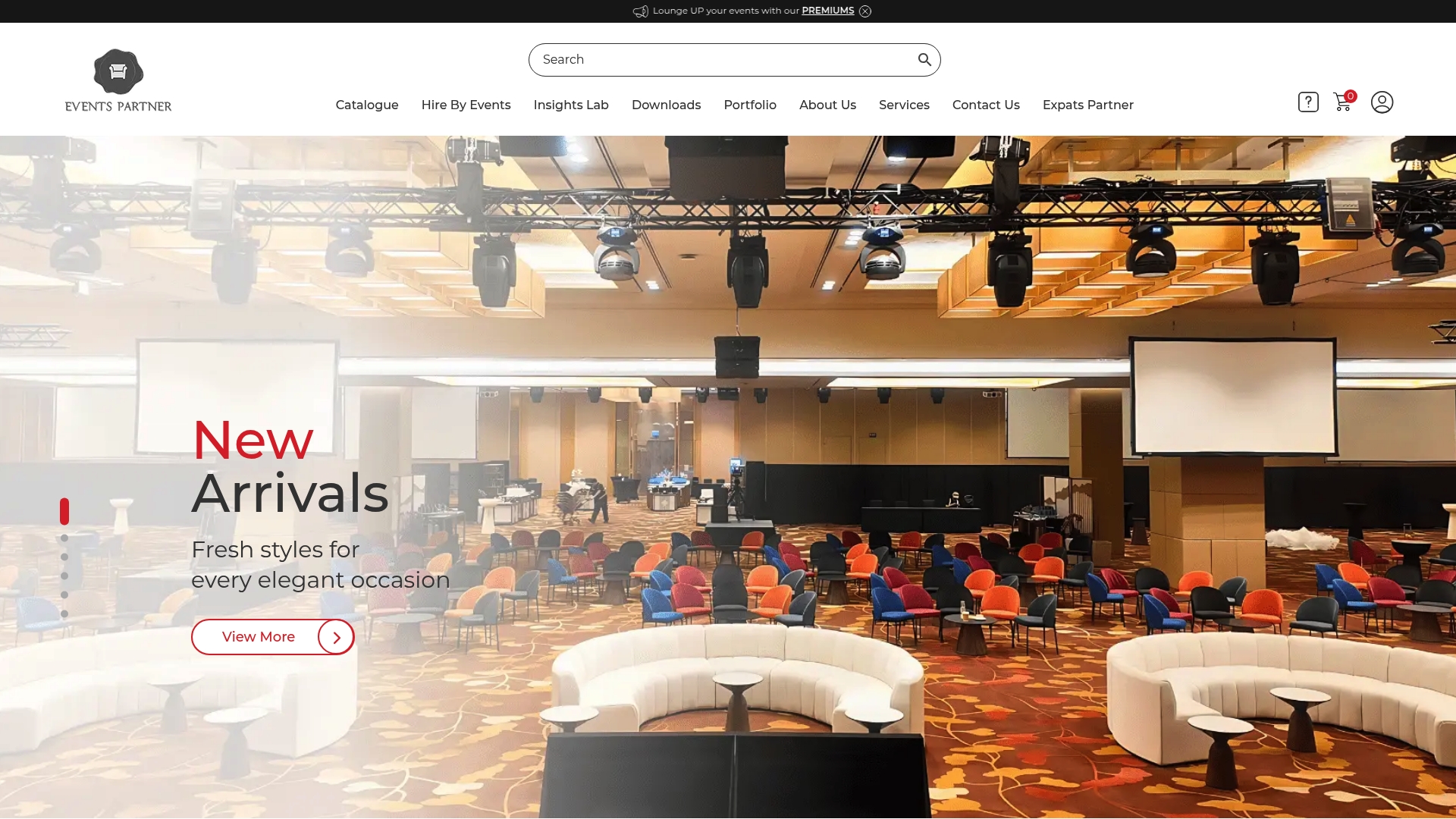 Eventspartner provides modern event furniture rental across corporate events, weddings, conferences, trade shows, gala dinners, roadshows, and brand activations. Their inventory covers lounge furniture, cocktail tables, Tiffany chairs, conference tables, display counters, and more, with professional delivery, installation, and collection included as standard. Pricing is transparent and itemised, so you know exactly what you are paying for before you commit. Whether you are furnishing a 30-person boardroom session or a 1,000-person exhibition floor, Eventspartner scales to fit the brief. Contact their team through the event furniture rental page to request a quote tailored to your event.



 Fleet Deployment Rates
 Payment Methods
 FAQ
FAQ