Event furniture rental for planners: reduce setup risk
June 16, 2026
Event furniture rental setup risk is defined as the probability of physical damage, scheduling failure, or logistical breakdown occurring during the delivery, installation, and removal of rented furniture at an event venue. For Singapore event planners managing corporate conferences at Suntec City, exhibitions at Marina Bay Sands, or gala dinners at hotel ballrooms, this risk is real and costly. A single missed loading bay booking or an unverified ceiling height can derail an entire setup. The good news is that most setup failures are preventable. Rigorous site-risk assessments, detailed scheduling, and clear contract terms are the three pillars that separate smooth events from expensive disasters.
How site-risk assessments reduce event furniture setup risk
A site-risk assessment is the single most effective tool for reducing furniture rental setup risk before a single chair leaves the warehouse. Singapore corporate event risk-assessment guidance advises listing every work area, including load-in zones, naming a single owner per control action, and updating the assessment after each site visit and technical rehearsal. That single-owner principle matters more than most planners realise. When two people share responsibility for a task, neither person owns it fully.
The assessment should cover every phase of the furniture journey: load-in, setup, the live event period, and load-out. Common hazards include trip risks from cables and flight cases in loading corridors, narrow lift lobbies at older Singapore hotels, and ramp gradients that make trolley movement unsafe. Each hazard needs a named person responsible for resolving it, a control measure, and a trigger point for escalation if the control fails.
Treat furniture placement as an operational build with assigned ownership per hazard. This framing shifts the mindset from aesthetic arrangement to structured risk management, which is exactly what high-pressure load-ins at venues like the Singapore Expo or Raffles City Convention Centre demand.
List every work area: load-in corridor, lift lobby, event floor, and load-out route.
Name one person responsible for each hazard control, not a team or a vendor.
Set contingency triggers: what happens if the lift is out of service or the loading bay is blocked?
Update the assessment after the site visit and again after the technical rehearsal.
Document trip hazards such as cable runs, ramp edges, and uneven flooring near setup zones.
Pro Tip:Print your risk assessment and attach it to the physical floor plan. Hand a copy to every crew leader on load-in day. Digital copies get missed when Wi-Fi is unreliable in basement loading areas.
What venue constraints should planners verify on site visits?
Site walkthroughs must validate critical physical constraints beyond aesthetics to support safe, timely furniture delivery and setup. A venue that looks perfect in a brochure can present serious logistical problems once you measure the lift doors or check the power supply. Site visit checklists stress measuring unload distances, confirming power type, and verifying restrictions that directly affect labour planning and cost.
Work through this sequence on every site visit before confirming your furniture rental order:
Loading bay access. Measure the bay height and width. Confirm vehicle size limits. A standard 10-tonne lorry is approximately 2.4 metres wide and 4 metres tall. Many older Singapore buildings cannot accommodate this.
Lift dimensions. Measure internal lift dimensions and weight capacity. Long tables, sofas, and display counters often cannot fit standard passenger lifts. Confirm whether a goods lift is available and when it is accessible.
Distance from bay to event space. A 200-metre trolley run on a polished marble floor with a gradient is a damage risk. Note flooring type and any surface protection requirements.
Power supply. Confirm whether the venue provides single-phase or three-phase power, and where the distribution boards are located. This affects placement of powered furniture, charging stations, and lighting rigs.
Ceiling height and rigging points. Verify ceiling height for tall display structures or canopy frames. Check rigging load limits and whether open flames or tenting are permitted under venue and Singapore Fire Safety regulations.
Sightlines and guest flow. Walk the guest arrival path. Identify columns, low beams, or fixed fixtures that will affect furniture placement and visual sightlines from the stage or focal point.
Confirming these six factors before signing contracts prevents the most common and expensive surprises in Singapore event setups.
How does precise scheduling reduce delivery and setup risk?
Detailed delivery and setup timelines with built-in buffers are the clearest predictor of a smooth furniture installation. Build your timeline backwards from guest arrival time. Every task, from the first lorry entering the loading bay to the final walk-through, needs a start time, an end time, and a buffer.
Singapore exhibition logistics guidance emphasises booking loading bays early, building buffer time for traffic, and sharing move-in schedules with all contractors. In multi-contractor environments, venues strictly enforce build-up windows. Arriving 30 minutes late can mean losing your slot entirely and facing a penalty.
Phase
Recommended Buffer
Key Risk to Mitigate
Lorry arrival at loading bay
45 minutes before scheduled slot
Traffic delays on PIE or CTE during peak hours
Furniture unload and staging
30 minutes per 50 items
Lift queues shared with other contractors
Infrastructure setup (tents, power)
Complete before furniture placement
Damage to furniture from subsequent heavy works
Furniture placement and styling
60 minutes before doors open
Rushed placement errors and tabletop damage
Lighting and walk-through check
30 minutes before guest arrival
Undetected hazards and styling gaps
Infrastructure-first sequencing is a non-negotiable rule. Tents, power distribution, and AV rigging must be complete before any furniture is placed. Moving heavy freight around already-placed chairs and tables causes surface damage and slows the entire crew.
Pro Tip:Share your full move-in schedule with the venue operations manager at least five working days before the event. Venues like Marina Bay Sands and Suntec City have strict contractor management systems. Early submission avoids last-minute rejections.
What transport and handling practices protect rented furniture?
Transit discipline concretely reduces damage risk for fragile and upholstered rental furniture. The load-in and load-out phases are statistically the highest-risk moments for physical damage. Choosing the right vehicle size and securing every item properly is not optional.
Vehicle sizing. Match the lorry size to the furniture volume. Overloading a smaller vehicle forces items to lean against each other. Use load bars and custom racks to prevent shifting during transit on Singapore roads.
Protective wrapping. Wrap upholstered pieces in moving blankets. Use corner guards on glass-topped tables and polished surfaces. Fragile items should never be stacked against heavy freight.
Manual handling technique. Train crew on team lifts for items over 25 kilograms. Use dollies and furniture sliders on polished floors to prevent surface scratches and reduce injury risk.
Load sequencing. Load items in reverse order of setup. The first pieces needed on site should be the last loaded onto the lorry. This prevents unnecessary rehandling at the venue.
Fragile item positioning. Place fragile and upholstered items away from lorry edges and heavy freight. A single sharp stop on the AYE can send an unsecured bar stool into a glass display unit.
Rushed load-out at the end of an event is where most damage occurs. Allocate the same care and time to strike as you do to setup. Fatigue at the end of a long event day is a genuine risk factor.
How do contracts and inventory controls reduce post-event disputes?
Liability in furniture rental typically runs from the point of delivery and setup through to retrieval. The contract must state this window clearly, along with whether a damage waiver applies and how replacement costs are calculated. Ambiguity in contracts is the primary cause of post-event disputes between planners and rental suppliers.
Follow this sequence to protect all parties:
Pre-load inventory check. Before the lorry departs the warehouse, photograph and document the condition of every item. Note existing scratches, stains, or damage in writing. Both parties should sign off.
Delivery confirmation. On arrival at the venue, confirm item counts against the delivery order. Flag any discrepancies immediately, before setup begins.
Post-event damage inventory. Conduct a damage check during strike with a representative from the client or venue present. Document any new damage in writing and photograph it before items are moved.
Written confirmation. Both parties sign the post-event condition report. This document determines repair or replacement cost responsibility and prevents disputes weeks later.
Pre-load documentation paired with post-event checks creates an unambiguous record. Without it, any claim of damage becomes a matter of competing recollections, which rarely ends well for either side.
Key takeaways
Reducing event furniture rental setup risk requires site-risk assessments, precise scheduling, disciplined transport, and clear contracts working together as a single system.
Point
Details
Conduct site-risk assessments
List every hazard by work area and assign a named owner to each control action.
Verify venue constraints on site
Confirm loading bay dimensions, lift capacity, power supply, and ceiling height before ordering furniture.
Build timelines backwards
Work from guest arrival time and include buffers for traffic, lift queues, and walk-through checks.
Protect furniture in transit
Use load bars, protective wrapping, and correct vehicle sizing to prevent damage during transport.
Document inventory before and after
Pre-load condition checks and post-event damage reports prevent disputes and clarify cost responsibility.
What experience has taught us about setup risk
The most common failure we see is not a missing chair or a late lorry. It is shared ownership. A task assigned to “the AV team and the furniture crew” belongs to nobody. On a busy load-in day at a convention centre, when three contractors are competing for the same goods lift, the task with no single owner is the one that gets dropped.
The second most common failure is an optimistic timeline. Planners routinely underestimate the time needed to move furniture from a loading bay to an event floor, particularly in older Singapore buildings where the goods lift is slow, shared, and sometimes out of service. A 30-minute buffer feels generous until the lift queue adds 45 minutes to your schedule.
Printed floor plans divided into logical zones are genuinely underrated. When you divide a ballroom into Zone A, Zone B, and Zone C, two or three crews can work in parallel without confusion or rehandling. Digital plans on a phone are fine for reference, but in a noisy, crowded load-in, a laminated A3 sheet attached to a pillar is faster and more reliable.
The planners who consistently run smooth setups share one habit: they communicate early and specifically with their furniture rental partner. Not “we need 200 chairs by 9am” but “we need 200 chairs staged at the goods lift by 8:15am, with the first 50 delivered to Zone A before the AV crew begins rigging at 8:30am.” That level of specificity is what separates a controlled setup from a chaotic one.
— Events Partner
How events partner supports planners in reducing setup risk
Events Partner works with Singapore event planners across corporate conferences, exhibitions, gala dinners, and roadshows, bringing direct experience of local venue constraints at locations including Suntec City, Marina Bay Sands, and Raffles City Convention Centre. The team manages scheduling, loading bay coordination, and protective transport as standard practice, not as add-ons. Every delivery includes pre-load condition documentation and post-event inventory checks. If you are planning your next event and want a furniture partner who understands Singapore’s venue logistics, explore the full range on the event furniture rental page or review the corporate event furniture options to start your planning conversation.
FAQ
What is event furniture rental setup risk?
Setup risk is the likelihood of damage, delay, or logistical failure during furniture delivery, installation, and removal at an event venue. It is reduced through site-risk assessments, detailed scheduling, and clear contracts.
How early should i conduct a site visit for furniture planning?
Conduct your site visit at least four weeks before the event. This gives you time to confirm loading bay access, lift dimensions, power supply, and venue restrictions before finalising your furniture order.
What should a furniture rental contract include?
A contract should define the liability period from delivery through retrieval, specify whether a damage waiver applies, and state whether costs are calculated on a repair or replacement basis. Both parties should sign a pre-load and post-event condition report.
How do i prevent furniture damage during transit in singapore?
Use correctly sized vehicles with load bars and custom racks. Wrap upholstered and glass-topped items in protective materials. Load items in reverse setup order and position fragile pieces away from lorry edges and heavy freight.
Why does infrastructure-first sequencing matter for event setup?
Completing tents, power distribution, and AV rigging before placing furniture prevents heavy works from damaging already-positioned pieces. It also allows furniture crews to work without interruption, reducing the total setup time.



 Singapore exhibition logistics guidance emphasises booking loading bays early, building buffer time for traffic, and sharing move-in schedules with all contractors. In multi-contractor environments, venues strictly enforce build-up windows. Arriving 30 minutes late can mean losing your slot entirely and facing a penalty.

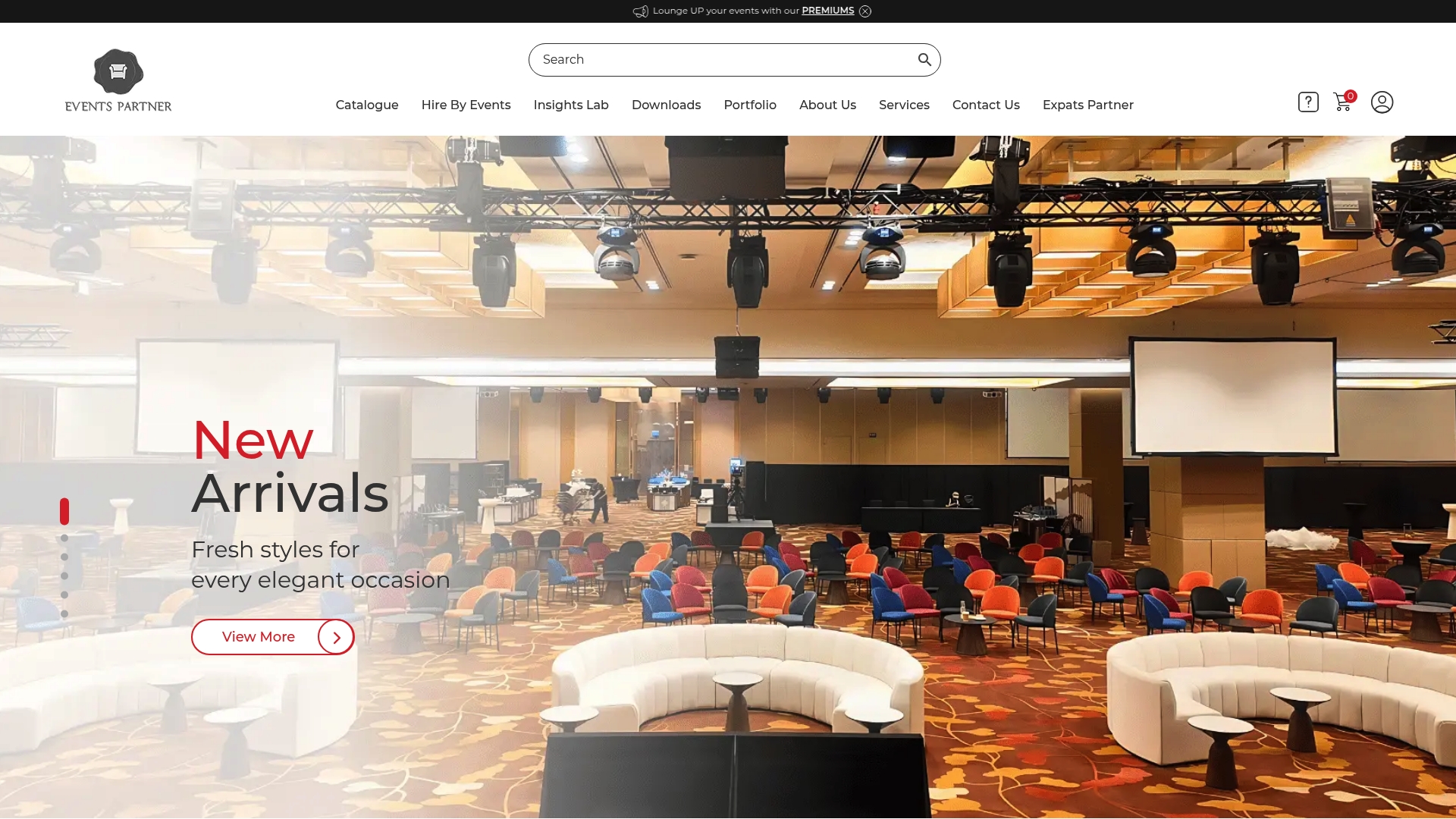 Events Partner works with Singapore event planners across corporate conferences, exhibitions, gala dinners, and roadshows, bringing direct experience of local venue constraints at locations including Suntec City, Marina Bay Sands, and Raffles City Convention Centre. The team manages scheduling, loading bay coordination, and protective transport as standard practice, not as add-ons. Every delivery includes pre-load condition documentation and post-event inventory checks. If you are planning your next event and want a furniture partner who understands Singapore’s venue logistics, explore the full range on the event furniture rental page or review the corporate event furniture options to start your planning conversation.



 Delivery Fees
 Payment Methods
 FAQ
FAQ