Role of rental furniture in hotel events: a planner’s guide
June 27, 2026
Rental furniture is defined as temporary, professionally maintained furnishings hired for a specific event period, and its role in hotel events goes well beyond filling empty space. For event planners and coordinators in Singapore, hotel event furniture rental is a practical tool for creating purpose-built environments that standard hotel inventory simply cannot deliver. A ballroom configured for a gala dinner looks nothing like one set up for a leadership summit or a product launch. Rental furniture makes that reconfiguration possible, cost-effective, and repeatable across every event type on your calendar.
How does rental furniture shape attendee experience in hotel events?
Rental furniture directly shapes how attendees move, interact, and feel throughout an event. Strategic furniture placement controls guest interaction styles: high cocktail tables encourage brief, standing conversations ideal for networking, while lounge seating facilitates longer, more relaxed dialogue suited to relationship-building sessions. This is not a decorative choice. It is a behavioural one.
Thoughtfully selected furniture increases guest dwell time in event spaces, which correlates directly to higher food and beverage revenue and stronger guest satisfaction scores. Hotels benefit commercially when planners choose furniture that keeps guests comfortable and engaged rather than moving towards the exit. That makes rental furniture a revenue consideration, not just a styling one.
Commercial-grade rental furniture is critical for maintaining professional standards. Residential-quality items undermine brand perception and reflect poorly on both the planner and the venue. Events Partner supplies furniture built for repeated professional use, which means consistent finish, structural reliability, and a presentation standard that holds up under event conditions.
Flexible layouts also prevent the two most common spatial problems in hotel events: overcrowding in one area and awkward empty stretches in another. Rental pieces can be added, removed, or repositioned to suit the actual headcount and programme flow, giving planners real control over the room.
Lounge clusters create informal breakout zones within larger ballrooms without requiring a separate room booking.
High bar tables placed near registration or catering stations keep foot traffic moving and reduce bottlenecks.
Modular seating adapts to both theatre-style presentations and open networking formats within the same space.
Branded accent furniture such as coloured ottomans or logo-printed chair backs reinforces visual identity throughout the venue.
Pro Tip:Place lounge seating at least three metres from the main stage or presentation area. This creates a natural buffer zone that encourages quieter side conversations without disrupting the main programme.
Is renting furniture more cost-effective than buying for hotel events?
Renting event furniture is more cost-effective than purchasing for the vast majority of hotel event scenarios. A pay-for-what-you-use model eliminates capital expenditure, storage costs, and ongoing maintenance, aligning expense directly with each event budget. For planners who organise varied events across different venues and formats, this financial flexibility is significant.
The cost comparison below illustrates the practical difference between renting and buying furniture for a typical mid-scale corporate hotel event in Singapore.
Cost factor
Renting
Buying
Upfront expenditure
Low, per-event fee only
High, full purchase price
Storage between events
None required
Warehouse or storage facility needed
Maintenance and repairs
Managed by rental provider
Planner or venue responsibility
Style flexibility
Full, change per event
Limited to owned inventory
Logistics on event day
Included in rental service
Separate arrangement required
Suitability for varied events
High
Low unless inventory is very broad
Ownership makes financial sense only for core hotel furniture used daily, such as permanent banquet chairs or fixed conference tables. Specialised, branded, or variable event furniture needs are consistently better met through rental. A hotel that owns a single style of banquet chair cannot accommodate a client who needs Tiffany chairs for a wedding one weekend and sleek white lounge sofas for a product launch the next.
For Singapore-based planners managing multiple clients or event types across the year, the rental model also removes the administrative burden of asset management. There is no depreciation to track, no repair schedule to maintain, and no storage contract to negotiate.
Pro Tip:When budgeting for rental furniture, request an itemised quote that separates furniture costs from delivery, setup, and collection fees. This gives you a cleaner comparison against venue-supplied options and helps justify the spend to clients.
What logistics do planners need to manage for hotel furniture delivery?
Event furniture logistics in hotel venues require precise coordination, and the margin for error is narrow. Professional logistics demand time-definite, synchronised delivery and removal within hotel access windows, which are often restricted to early morning build slots or late-night breakdown periods. Missing a loading bay window can delay an entire event setup.
Hotels in Singapore, including those at Marina Bay Sands, Suntec City, and Orchard Road properties, operate strict service corridor schedules. A furniture delivery arriving outside its allocated slot risks being turned away or held at the loading bay until the next available window. That kind of delay cascades into AV setup time, branding installation, and catering preparation.
A reliable rental partner manages the following steps to prevent those failures:
Pre-event venue survey. Confirm lift dimensions, loading bay access hours, and floor protection requirements before the delivery date.
Coordinated scheduling. Align furniture delivery with AV, lighting, and branding crews to avoid simultaneous access conflicts at service lifts.
Specialised transport. Specialised vehicles such as box vans prevent last-minute substitution issues and protect high-value furniture during transit.
Pre-cleared documentation. Delivery teams carry venue access approvals, insurance certificates, and contact details for the hotel operations manager.
Breakdown confirmation. Agree the collection window in writing before the event, not on the day, to avoid overtime charges or venue penalties.
Contingency planning. Identify a secondary access route and a contact person at the venue in case the primary loading bay is blocked.
Successful hotel event furniture logistics rely on specialised vehicles and pre-cleared access to guarantee reliable setup within narrow time windows. Events Partner’s event logistics planning process is built around these requirements, with dedicated crews familiar with Singapore’s major hotel venues and their specific operational protocols.
What are the best hotel event setup ideas using rental furniture?
Venue furniture rarely supports modern corporate event agendas that require multiple customised zones. Rental furniture solves this by allowing planners to design distinct environments within a single hotel space, each serving a different part of the programme.
Mainstage and presentation zones
A mainstage zone requires clean sightlines and consistent seating. Stackable conference chairs in a uniform colour create a professional theatre layout. Adding a branded rostrum and two flanking lounge chairs for panel discussions gives the stage visual structure without requiring permanent fixtures.
Breakout and learning zones
Breakout zones work best with round tables seating four to six people, paired with mid-back chairs that support extended seated sessions. Round configurations encourage equal participation, which suits workshops and strategy sessions better than classroom rows. For conference furniture rental, Events Partner offers round tables, folding tables, and modular options suited to these formats.
Networking and social zones
Networking zones benefit from a mix of high cocktail tables and low lounge clusters. The contrast in furniture height naturally separates standing minglers from seated groups, reducing the social friction of choosing where to stand. Adding a bar table near a beverage station anchors the zone and keeps guests in the area longer.
Recharge and quiet zones
Recharge zones are increasingly common at full-day corporate events. A corner fitted with low sofas, side tables, and soft lighting gives attendees a space to decompress between sessions. This is particularly relevant for MICE events at Singapore’s larger hotel venues, where programmes run across six to eight hours.
Brand visibility tip: Use furniture colour and finish to reinforce brand identity. White gloss tables with branded table runners, or chairs in brand colours, create consistent visual cues across the room without requiring additional signage.
Social media consideration: Distinctive furniture clusters, such as a velvet lounge corner or a geometric bar setup, become natural photo backdrops. Planners who design these zones intentionally generate organic social content from attendees.
Comfort and function balance: Aesthetics matter, but seating comfort determines how long guests stay in a zone. Choose chairs with back support for sessions longer than 45 minutes and reserve purely decorative pieces for short-stay areas like registration or cocktail receptions.
Rental furniture supports participation, comfort, and brand alignment across diverse event agendas. That combination is what separates a well-planned hotel event from one that simply fills a room.
Key takeaways
Rental furniture is the most practical tool for creating purpose-built, on-brand hotel event environments that standard venue inventory cannot replicate.
Point
Details
Furniture shapes behaviour
High tables encourage mingling; lounge seating extends conversations aligned with event goals.
Rental beats buying for varied events
A pay-per-event model eliminates storage, maintenance, and capital expenditure for most planners.
Logistics require precision
Synchronised delivery within hotel access windows prevents cascading setup delays.
Zone design drives engagement
Distinct mainstage, breakout, networking, and recharge zones improve attendee experience and dwell time.
Commercial grade matters
Residential-quality furniture undermines brand perception and venue reputation at professional events.
What Singapore’s hotel events have taught us about furniture planning
Singapore’s event planning community has shifted its thinking on rental furniture over the past several years. Furniture used to be the last line item on a planning brief. Now it is one of the first conversations we have with clients, because the furniture plan determines everything else: the zone layout, the flow, the brand expression, and even the catering configuration.
The most common mistake we see is planners defaulting to whatever the hotel offers in its standard package. Hotel-supplied furniture is designed for the widest possible use case, which means it suits no specific event particularly well. A gala dinner deserves better than generic banquet chairs. A leadership summit needs seating that signals authority and focus, not the same folding chairs used for a trade association breakfast.
What works in practice is treating the furniture brief the same way you treat the AV brief: specific, detailed, and confirmed early. Know your zones before you book the furniture. Know your brand colours before you choose finishes. And know your venue’s access schedule before you confirm delivery times. Planners who approach corporate event furniture rental with this level of preparation consistently produce better results than those who treat it as a last-minute logistics task.
The venues that work best with rental furniture in Singapore are those with flexible floor plans and cooperative operations teams. Ballrooms at hotels along Orchard Road and the Marina Bay precinct generally have the loading infrastructure to support complex furniture deliveries. Smaller boutique hotel venues require more creative logistics planning, but the results are often more distinctive precisely because the space demands a considered furniture approach.
— Events Partner
Planning your next hotel event with Events Partner
Events Partner works with event planners and coordinators across Singapore to supply premium rental furniture for hotel ballrooms, conference rooms, and multi-zone event spaces.
The catalogue covers everything from conference and breakout furniture to lounge clusters, cocktail tables, Tiffany chairs, and branded stage sets. Every order includes professional delivery, setup, and collection coordinated around your venue’s access schedule. Whether you are planning a corporate conference at a Marina Bay hotel, a gala dinner at an Orchard Road ballroom, or a product launch at a boutique venue, Events Partner provides the furniture infrastructure to make it work. Browse the full range and request a transparent, itemised quote through the event furniture rental catalogue.
FAQ
What is the role of rental furniture in hotel events?
Rental furniture enables planners to create purpose-built zones, such as networking areas, breakout spaces, and branded mainstages, that standard hotel inventory cannot provide. It supports attendee engagement, brand alignment, and flexible spatial design across diverse event formats.
Why is renting furniture better than using hotel-supplied furniture?
Hotel-supplied furniture is designed for general use and rarely suits specific corporate or branded event agendas. Rental furniture gives planners full control over style, configuration, and brand consistency without capital expenditure or storage commitments.
How does furniture placement affect attendee behaviour at hotel events?
High cocktail tables encourage standing conversations and mingling, while lounge seating facilitates longer, more relaxed interactions. Planners who match furniture type to event objectives see measurably better attendee engagement and longer dwell times.
What logistics should planners confirm before a hotel furniture delivery?
Confirm loading bay access hours, lift dimensions, floor protection requirements, and the hotel’s service corridor schedule before the delivery date. Pre-cleared documentation and a coordinated delivery window prevent access refusals and setup delays.
How far in advance should planners book rental furniture for hotel events?
Booking four to six weeks ahead is advisable for most hotel events in Singapore, particularly for large-scale corporate or gala formats. High-demand periods such as the year-end conference season and major MICE weeks require earlier confirmation to secure preferred inventory.


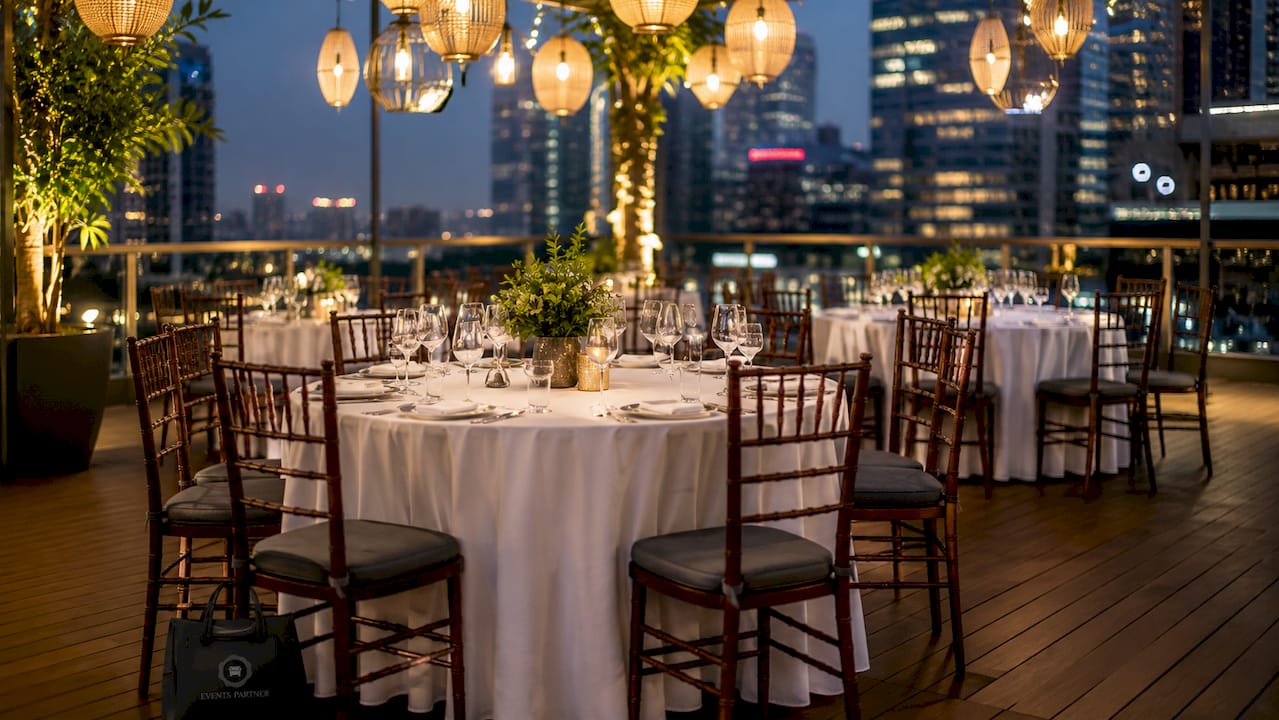
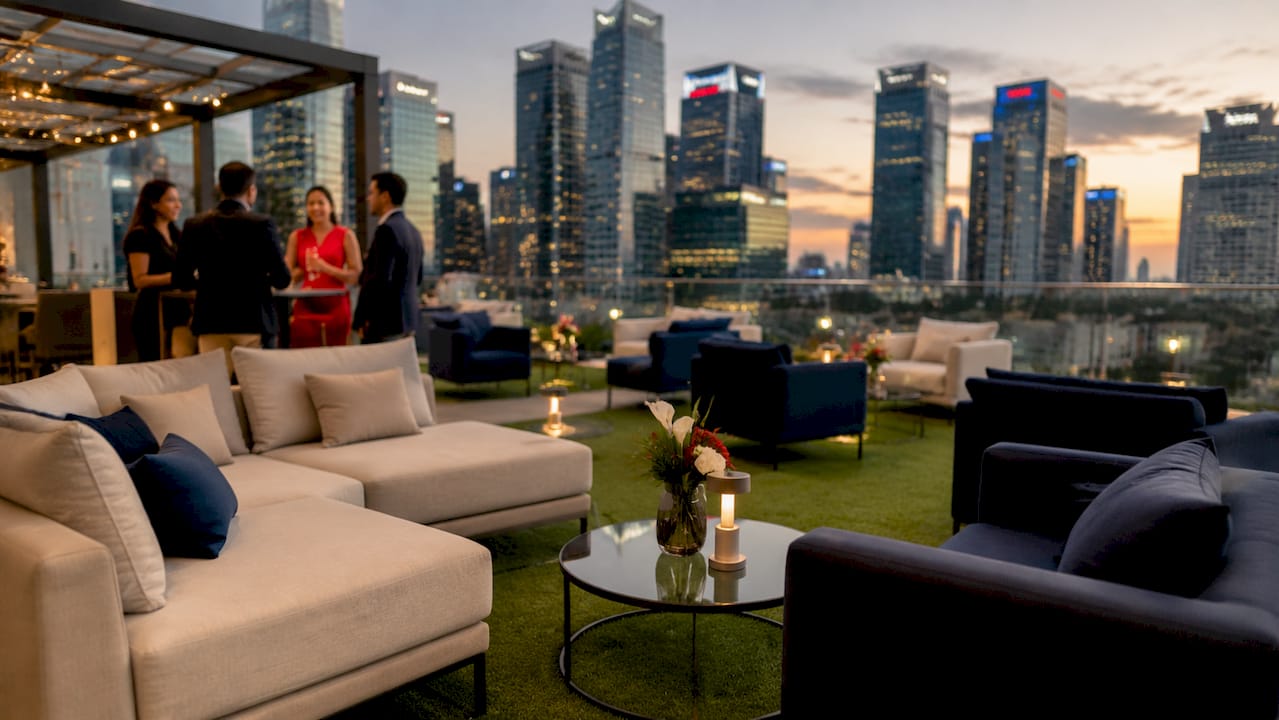 Commercial-grade rental furniture is critical for maintaining professional standards. Residential-quality items undermine brand perception and reflect poorly on both the planner and the venue. Events Partner supplies furniture built for repeated professional use, which means consistent finish, structural reliability, and a presentation standard that holds up under event conditions.
Flexible layouts also prevent the two most common spatial problems in hotel events: overcrowding in one area and awkward empty stretches in another. Rental pieces can be added, removed, or repositioned to suit the actual headcount and programme flow, giving planners real control over the room.
Commercial-grade rental furniture is critical for maintaining professional standards. Residential-quality items undermine brand perception and reflect poorly on both the planner and the venue. Events Partner supplies furniture built for repeated professional use, which means consistent finish, structural reliability, and a presentation standard that holds up under event conditions.
Flexible layouts also prevent the two most common spatial problems in hotel events: overcrowding in one area and awkward empty stretches in another. Rental pieces can be added, removed, or repositioned to suit the actual headcount and programme flow, giving planners real control over the room.

 The catalogue covers everything from conference and breakout furniture to lounge clusters, cocktail tables, Tiffany chairs, and branded stage sets. Every order includes professional delivery, setup, and collection coordinated around your venue’s access schedule. Whether you are planning a corporate conference at a Marina Bay hotel, a gala dinner at an Orchard Road ballroom, or a product launch at a boutique venue, Events Partner provides the furniture infrastructure to make it work. Browse the full range and request a transparent, itemised quote through the event furniture rental catalogue.



 Delivery Fees
 Payment Methods
 FAQ
FAQ