


Getting recurring furniture rental right across multiple events comes down to three things: a precise inventory list, a standing agreement with your vendor, and a shared logistics plan that everyone can actually follow. Book 2–4 months ahead for peak periods, lock in preferred pricing through a master service agreement, and use cloud-based floor plans so your rental partner and venue team are always working from the same layout. Planners who treat furniture coordination as an ongoing operational process rather than a one-off booking consistently avoid the last-minute scrambles that derail event-day setups.
Here is what effective coordination looks like in practice:
The single biggest mistake planners make with recurring rentals is treating each booking as a fresh transaction. Vendors prioritise clients with standing agreements because they can plan their own logistics around confirmed, repeating demand. That priority translates directly into better delivery windows, more consistent crew assignments, and fewer surprises on the day.
Timing and advance booking
Book 2–4 months ahead for any event falling during peak periods such as the year-end conference season or the Lunar New Year gala circuit in Singapore. For recurring series like monthly roadshows or quarterly corporate dinners at venues such as Marina Bay Sands or Suntec City, a master service agreement locks your inventory and delivery slots for the full series in one go. Longer commitments typically reduce daily rental costs and secure priority scheduling, which matters when multiple clients are competing for the same furniture on the same weekend.
What to include in your event brief
Providing a detailed brief at the inquiry stage prevents the back-and-forth that eats into planning time. Include headcount, event theme, venue floor plan, access hours, loading bay restrictions, and any technical requirements such as staging heights or power access near furniture. Detailed briefs improve vendor preparedness and reduce last-minute layout errors considerably.
Pro Tip: Negotiate a recurring contract that covers your full event series rather than booking event by event. Standing agreements reduce administrative overhead, lock your preferred inventory, and give you a named account contact who already knows your setup requirements.
Preferred pricing structures for recurring rental partners reduce costs by 10–20% compared to one-off bookings, which makes the budget case for a master agreement straightforward. For a practical checklist of what to confirm before signing, the rental confirmation guide covers the key questions corporate teams should ask.
Furniture placement is not just an aesthetic decision. It directly shapes guest flow, dwell time, and how well the space supports the event’s purpose. A conference layout that works at Suntec Convention Centre may need a complete rethink at a hotel ballroom in Orchard Road, even if the headcount is identical.

Start with the venue’s constraints, not the furniture catalogue
Measure the space, note column positions, identify emergency exit clearances, and confirm ceiling heights before selecting any pieces. Venues like hotel ballrooms often have fixed rigging points and strict floor protection rules that affect where staging and heavy furniture can go. Once you have those parameters, plan furniture placement to support guest flow first, then comfort, then visual impact.

Shared floor plans are the most practical tool for keeping planners and vendors aligned across a recurring series. Cloud-based tools such as AllSeated or Social Tables let both parties annotate the same layout, flag changes, and maintain a version history. When your vendor arrives on setup day, they are working from the same document you approved the week before, not a printed PDF from three revisions ago.
Layout strategies by event type
Design tips for recurring setups
Treating furniture as a design element rather than a logistical afterthought shapes the entire guest experience. The space planning and styling approach at Events Partner is built around exactly this principle.
Recurring events demand furniture that holds up physically and stylistically across multiple uses. A chair that looks pristine at a product launch in january may show wear by the third roadshow in march if it was not specified for repeated handling.

Match the piece to the purpose
Comfort and durability are the baseline for any recurring rental. Beyond that, the style should align with the event’s tone and the venue’s existing aesthetic. A sleek white Tulip chair works well in a modern convention centre but can look out of place in a heritage hotel ballroom where warmer tones and more traditional silhouettes fit better.
Modularity matters more than most planners realise at the selection stage. Furniture that stacks, folds, or reconfigures reduces storage and transport costs across a recurring series, and makes it easier for your vendor to handle tight turnaround windows between events. For guidance on matching pieces to specific event formats, the right event furniture guide covers the key selection criteria in detail.
Vendor reliability is the single most critical factor for recurring rentals. A partner who delivers correctly once is useful; one who delivers correctly every time, adapts when your layout changes at 48 hours’ notice, and tracks the condition of your inventory between events is genuinely valuable.
Core criteria for evaluating rental partners
Pro Tip: Approach your rental vendor as a logistics partner, not a supplier. Share your full event calendar at the start of the year, not just the next booking. Vendors who can see your pipeline plan their own inventory and crew around your needs, which means you get better availability and faster responses when something changes.
Moving from one-off bookings to a standing partnership also reduces the administrative load on your team. Master agreements for recurring rentals lock inventory, secure fixed delivery slots, and eliminate the need to re-negotiate terms before every event. For a deeper look at what this relationship looks like in practice, the preferred vendor guide explains the key differences between transactional and partnership-based rental arrangements.
The five providers below each take a distinct approach to recurring furniture rental coordination, which makes them worth understanding before you commit to a partner.
| Provider | Best for | Standout |
|---|---|---|
| Curated Events | Planners seeking design-led rental solutions | Treats furniture as a narrative design element supporting event mood |
| Skyline Tent Co | Outdoor and large-scale multi-venue events | Strong logistical coordination for outdoor and multi-venue setups |
| Curated Linen Collection | Bundled furniture and linen styling packages | Integrates fabric styling options directly with furniture rentals |
| See-Hear Pro | Events requiring AV-compatible furniture and staging | Combines furniture rental with professional AV equipment |
| Casa de Perrin | High-end events needing exclusive statement pieces | Focuses on premium, distinctive furniture styles for event branding |
Curated Events suits planners who want furniture to carry a strong design narrative, particularly for brand activations or premium corporate dinners where the aesthetic is as important as the logistics. Skyline Tent Co’s strength is outdoor coordination: if your recurring series involves multi-venue outdoor setups or large-scale tented events, their logistical infrastructure is built for that complexity.
Curated Linen Collection fills a specific gap for coordinators who want a single supplier for both furniture and linen, keeping the styling coherent without managing two separate vendor relationships. See-Hear Pro is the natural choice when your events involve complex technical staging, since their furniture and AV rental packages are designed to work together from the outset.
Casa de Perrin occupies the boutique end of the market. For high-end galas or VIP events where the furniture itself is a statement, their inventory of distinctive, premium pieces offers something the volume-focused providers do not.
The operational case for treating recurring furniture rental as a managed programme rather than a series of individual bookings is well established. Preferred pricing structures for recurring rental partners often reduce costs by 10–20% compared to one-off bookings, and that saving compounds across a full event series.
What the evidence supports
Master agreements do more than reduce cost. They lock inventory for the full series, secure fixed delivery slots, and eliminate the re-negotiation overhead that accumulates when each event is treated as a fresh booking. For steady event series such as corporate roadshows, monthly networking events, or quarterly conference programmes at venues like Marina Bay Sands Convention Centre or Suntec City, a master agreement is the most direct way to reduce both cost and operational risk.
Digital collaboration tools close the gap between planning and execution. Cloud-based shared floor plans and annotated visual mock-ups between planners and rental partners reduce miscommunication and maintain layout consistency across event iterations. When a layout change happens at short notice, both parties are updating the same document rather than exchanging revised PDFs by email.
Cost and risk in numbers: Preferred pricing through standing agreements cuts rental costs compared to one-off rates, while also securing priority delivery windows that reduce the risk of availability conflicts during peak periods.
Contingency planning is the area most planners underinvest in until something goes wrong. A delayed delivery at a convention centre during a peak weekend can cascade across multiple events if there is no agreed fallback. Build the following into every recurring rental programme:
Strong vendor relationships reduce day-of-event stress and facility management issues. For multi-venue delivery coordination specifically, the multi-venue logistics guide covers the practical steps for managing furniture across convention centres and hotels. The broader context of guest experience design in hospitality events also shapes how furniture choices land with attendees, particularly at hotel-based functions where the overall environment matters as much as the individual pieces.
Events Partner offers event furniture rental in Singapore for corporate events, conferences, exhibitions, roadshows, gala dinners, and brand activations. The difference from a one-off hire company is the operational model: transparent pricing, real inventory, and logistics support designed for planners who run recurring programmes rather than single events.
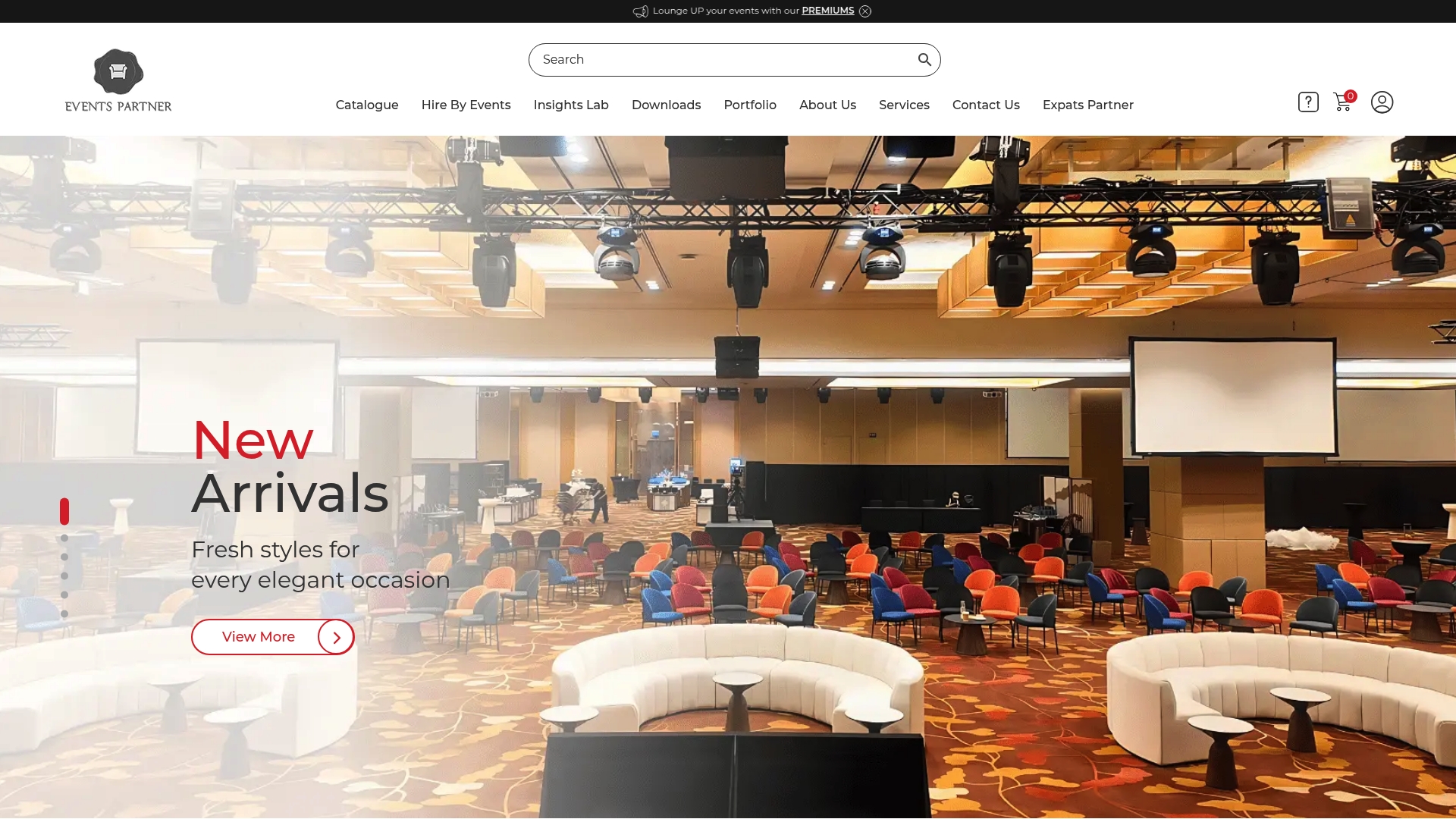
For coordinators managing a series of corporate events, the corporate event furniture rental service covers standing agreements, priority scheduling, and full-service delivery and teardown. Events Partner works as a planning partner rather than a transactional supplier, which means your account contact already knows your venues, your preferred furniture styles, and your setup requirements before each event cycle begins. That operational familiarity is what makes the difference when a layout change comes in at 48 hours’ notice or a venue shifts its access window at the last minute.
Book 2–4 months ahead for peak periods, and secure a master service agreement for the full series at the start of the year. This locks inventory and preferred pricing across all events in the programme.
A standing service agreement is a master contract covering a recurring series of events, locking inventory, delivery slots, and pricing for the full programme rather than negotiating each booking separately.
Log the condition of every piece after each event and share the record with your vendor. A written protocol for damage and replacement timelines prevents wear from accumulating unnoticed across a series.
Include headcount, event theme, venue floor plan, access hours, loading bay restrictions, staging requirements, and any technical constraints such as floor weight limits or power access near furniture positions.
Yes. Events Partner provides standing agreements, priority scheduling, and full-service delivery and teardown for recurring corporate events, conferences, and roadshows across Singapore venues.
Coordinating recurring furniture rental for venues requires a master service agreement, a shared digital floor plan, and a vendor partnership built around your full event calendar rather than individual bookings.
| Point | Details |
|---|---|
| Book well in advance | Secure inventory and preferred pricing well ahead, or via a master agreement for the full series. |
| Use standing agreements | Recurring contracts reduce costs by 10–20% versus one-off rates and lock delivery slots across the programme. |
| Share digital floor plans | Cloud-based layouts keep planners and vendors aligned and reduce miscommunication across event iterations. |
| Build contingency protocols | Confirm substitute pieces, escalation contacts, and damage replacement timelines before the series begins. |
| Events Partner for recurring programmes | Events Partner provides standing agreements, transparent pricing, and full-service logistics for recurring corporate and venue events in Singapore. |



 Delivery Fees
 Payment Methods
 FAQ