How Furniture Layout Influences Networking at Business Events
April 24, 2026
Key Takeaways:
Successful networking often depends on the physical environment. Well-considered event layout ideas can make it easier for attendees to move around, approach groups, and start conversations.
Combining standing areas, lounge seating, and small discussion tables helps support different types of interaction, from brief introductions to longer professional discussions.
Good circulation planning, including clear walkways and properly positioned refreshment stations, prevents bottlenecks and keeps guests moving throughout the venue.
When the layout supports the event’s objectives, the space naturally encourages engagement and helps guests connect more comfortably with one another.
Event Layout Ideas That Encourage Natural Networking at Business Events
At many corporate events in Singapore, networking is a key priority. However, meaningful conversations rarely arise simply because people are in the same room. The layout of a space subtly influences how guests move, where they stop, and who they talk to.Practical event layout ideas can shape how guests move, gather, and begin conversations during business events. From standing cocktail setups to lounge-style seating zones, the arrangement of furniture often determines how easily people interact. Conversely, when layout planning is overlooked, people tend to remain seated with familiar colleagues, small groups become isolated, and opportunities to meet new contacts diminish.Treating layout as an integral part of event design can make a significant difference. With the right arrangement of furniture and circulation spaces, a venue can actively encourage interaction, rather than leaving networking to chance.
Why Furniture Layout Plays a Key Role in Networking
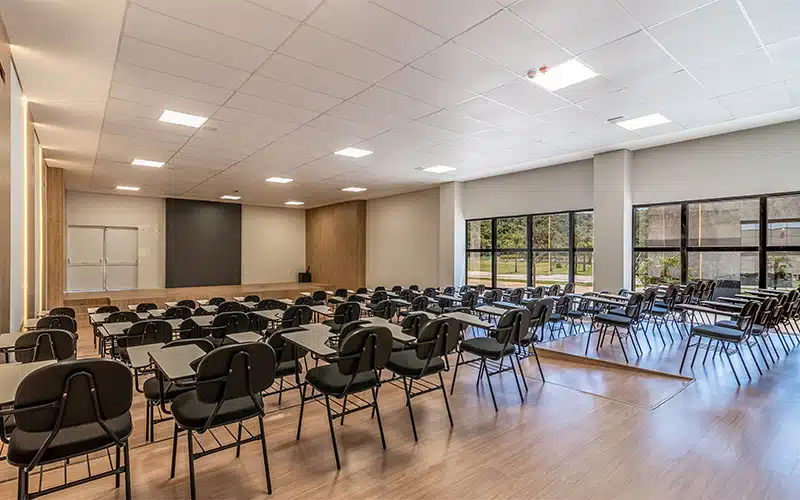
The arrangement of furniture affects people's movement, where they pause, and how comfortable they feel approaching others. Small details, such as the distance between seats, the presence of standing areas, and the width of walkways, all affect how easily conversations begin and continue.When layouts are carefully planned, interactions tend to happen more naturally. Guests can move between groups without difficulty, pause for brief introductions, or step aside for longer discussions. These subtle spatial cues help support networking at business events without relying on structured icebreakers or forced activities.More rigid seating arrangements, however, can have the opposite effect. Long rows of chairs or tightly packed banquet tables often anchor people in place. Once seated, attendees are less likely to circulate, which reduces the chances of meeting new contacts.Environments that support interaction often share a few common characteristics:
Comfortable spacing that allows people to approach groups easily.
Clear pathways that encourage movement between different areas.
Seating options that accommodate both quick exchanges and longer conversations.
Open sightlines that help guests see where activity is taking place.
Taken together, these considerations form the basis of effective networking event design, allowing conversations to develop naturally throughout the event, rather than relying solely on the programme to drive engagement.
Cocktail-Style Layouts With High-Top Tables
Standing areas are a simple yet effective way to encourage interaction at corporate events. High-top tables naturally support short, lively conversations, allowing people to join a group briefly and move on without feeling awkward.This type of corporate event layout works particularly well for:
Welcome receptions
Networking mixers
Coffee breaks during conferences
Product launches or media briefings
Because guests remain standing, conversations tend to stay light and fluid. People can move easily from one group to another, increasing the chances of making new contacts during the event.High-top tables also help distribute attendees more evenly throughout the venue. Rather than gathering around a limited number of seating areas, guests can spread out across several standing zones, creating a more balanced and active networking environment.
Lounge-Style Seating for Deeper Conversations
While standing areas are ideal for brief introductions, some conversations benefit from a more relaxed setting. Lounge-style seating offers just such an environment, allowing guests to settle in and continue discussions at their own pace.Arrangements that incorporate armchairs, coffee tables, and lounge sofas provide attendees with a space to step away from busy circulation paths while still remaining part of the event. These seating areas facilitate more natural conversations, particularly when discussions require greater time and focus.Lounge zones are often most effective when positioned slightly away from high-traffic areas. After an initial introduction, guests can move into these quieter spaces to continue conversations, explore collaborative ideas, or speak in greater depth.To create these relaxed seating areas, organisers often work with furniture providers that offer lounge sofa rental options and flexible pieces such as ottomans for rent. These elements help form small, comfortable, and inviting conversation clusters, encouraging guests to remain engaged and spend more time interacting during the event.
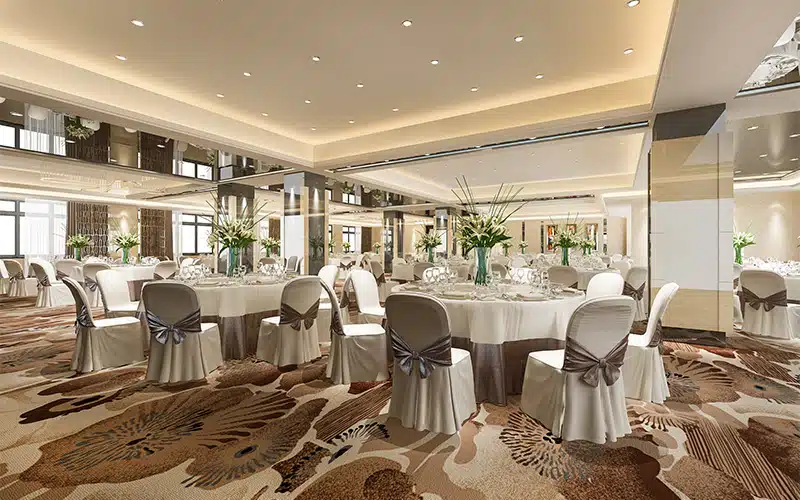
Round Tables and Clustered Seating for Small-Group Interaction
Round tables are popular for group discussions as they naturally create a sense of equality among participants. When everyone faces each other, conversations tend to be more balanced and inclusive.Arranging several smaller tables in clusters can also encourage interaction without making the space feel crowded, which especially works well for:
Workshop-style sessions
Networking lunches
Roundtable discussions
Breakout groups during conferences
Keeping groups small helps to ensure open and accessible conversations. When seating is arranged evenly around the table, participants are more likely to engage and contribute, without feeling overlooked.Within a broader corporate event layout, these table clusters can be combined with open networking areas, allowing attendees to move between structured discussions and informal conversations throughout the event.
Open Layouts Versus Defined Networking Zones
Open floor plans can be ideal for certain events, as they encourage guests to move freely around the venue. When spaces feel open and accessible, attendees are more inclined to mingle and strike up conversations.However, large rooms are often easier to navigate when organised into smaller zones. Simple elements, such as rugs, decorative screens, changes in lighting, or plants, can subtly divide a venue into distinct areas without making it feel closed off.Each zone can support a different type of interaction:
Standing areas, for brief introductions and quick exchanges
Lounge seating, for longer, more relaxed discussions
Table clusters, for structured conversations or small-group networking
Quieter corners, for private meetings or focused dialogue
This layered approach to networking event design helps to create a more inclusive environment, allowing guests to choose the type of space that best suits them, whether that means joining a lively conversation or finding a quieter area for more focused dialogue.
Key Layout Factors That Influence Interaction
Beyond furniture selection, several practical layout details can significantly influence interaction during an event. Seemingly small adjustments to spacing, circulation, and accessibility can noticeably improve guest comfort, making it easier for them to move around and start conversations.
Comfortable proximity between seats
Seating that is too widely spaced can make initiating conversations feel awkward. Positioning chairs within a natural speaking distance encourages guests to join discussions more easily, without having to move furniture or lean across large gaps.
Clear traffic flow
Wide walkways allow guests to move comfortably between different areas of the venue. Clear and easily navigable circulation paths encourage attendees to explore the space and approach new groups with confidence.
Access to shared power points
Communal tables with charging access often encourage people to spend more time in shared spaces. Guests might pause to check messages or review notes, which can naturally lead to informal conversations with those nearby.
Encouraging movement
Some event formats intentionally limit the amount of seating available. With less fixed seating, attendees are more likely to circulate through the venue, increasing opportunities for spontaneous interaction throughout the event.
Avoiding Bottlenecks Near Food and Beverage Areas
Food and beverage stations naturally become gathering points at events. Bars, coffee counters and buffet tables attract consistent attention throughout the programme, meaning they can quickly become crowded if their positioning isn't carefully considered.If these stations are placed directly along main walkways, queues and small groups can form, blocking circulation. Guests may find it more difficult to move through the space, disrupting the overall flow of the event and discouraging exploration of different areas.A few simple adjustments can help reduce congestion:
Position refreshment stations slightly away from primary walkways.
Provide more than one beverage point to spread out crowds.
Leave sufficient open space around food stations for queuing and movement.
These small planning decisions help maintain a smooth traffic flow while allowing guests to continue circulating and interacting throughout the event.
Common Layout Mistakes That Limit Networking
Even the most meticulously organised events can encounter layout issues. Seemingly insignificant design choices can inadvertently hinder guests' ability to move freely and connect with one another.
Overcrowding the venue
Placing too many tables or chairs in a limited space restricts movement. When walkways become too narrow, guests may feel reluctant to approach groups or move between different areas.
Designing only high-energy spaces
Not every attendee feels comfortable networking in bustling, high-activity environments. Without quieter seating areas, some guests might withdraw from conversations or avoid networking altogether.
Blocked sightlines
Positioning large furniture along central walkways can disrupt visibility across the room. If guests cannot easily see where the activity is, they may be less likely to circulate and join conversations.
Static seating arrangements
Layouts that keep guests confined to fixed positions reduce opportunities for spontaneous introductions. When people remain seated for extended periods, interaction tends to be limited to those in their immediate vicinity.Recognising these common pitfalls early on allows organisers to create spaces that feel open, comfortable, and welcoming for all participants.
Simple Networking Layout Examples by Guest Count
The size of an event often dictates the most effective space arrangement. Guest numbers influence circulation, seating distribution, and how easily attendees can move between conversations. These practical event layout ideas illustrate how furniture arrangements can be adapted to different group sizes.
Small networking event (30 to 40 guests)
A simple layout incorporating several high-top tables with one or two lounge seating clusters can create a relaxed and approachable atmosphere. Guests can easily move between groups, while the lounge area offers a comfortable space for more extended conversations.
Medium event (60 to 80 guests)
Multiple standing zones, combined with two or three soft seating areas, help distribute guests across the venue. Adding a few round tables provides space for small-group discussions without disrupting the overall flow of the event.
Large networking reception (120 guests or more)
A layered layout often works best for larger gatherings. Standing tables can occupy the central space, with lounge seating positioned along the perimeter. Clearly defined conversation zones throughout the venue help guide movement and prevent crowding in any single area.Working with an experienced furniture rental company in Singapore can help organisers plan and refine layouts that suit the venue, guest numbers, and event objectives.
Aligning Furniture Layout With Networking Goals
Events are not all designed to foster the same kind of interaction. Some gatherings prioritise quick introductions and wide-ranging connections, while others promote more in-depth discussions or collaborative exchanges within smaller groups.Furniture arrangement can subtly support these diverse aims. When the layout reflects the event's purpose, guests tend to move, gather, and interact in ways that feel natural to the setting.Rather than leaving networking to chance, organisers can shape the environment to encourage meaningful engagement. Thoughtful layout planning helps create spaces where conversations flow smoothly, and connections form more comfortably throughout the event.
Conclusion
Furniture layout significantly influences the guest experience at any event. The arrangement of seating, walkways, and conversation areas can greatly improve attendee flow, encourage interaction, and facilitate connections throughout the venue.Exploring different event layout ideas during the planning process allows organisers to better understand how the space can best support both interaction and guest comfort.Events Partner collaborates with organisers to design layouts that promote seamless circulation and engagement throughout the venue. From suggesting appropriate furniture to coordinating delivery, setup, and dismantling, the team ensures the space functions flawlessly on the day of the event.If you're planning an upcoming networking session or corporate gathering, speak with the Events Partner team to explore layout options that will foster a more connected and engaging event experience.






 Fleet Deployment Rates
 Payment Methods
 FAQ
FAQ