


The wedding furniture rental process is a structured series of steps that begins with early selection and ends with post-event collection. Couples in Singapore typically rent tables, chairs, lounge seating, staging, and bar furniture rather than buying, because these items are large, expensive, and needed only once. Understanding how the rental process works helps you avoid last-minute panic, budget overruns, and mismatched furniture on your wedding day. The process covers booking timelines, rental agreements, delivery coordination, and final checks, each of which requires attention at a specific stage of your planning.
Booking major rentals 6–9 months ahead gives you the best choice of furniture and pricing, with some infrastructure items such as tents and dance floors requiring up to 12 months’ lead time during peak seasons. Singapore’s wedding calendar peaks around Chinese New Year, National Day weekends, and the year-end holiday period. Couples who wait until three months before their wedding often find that preferred chair styles or lounge sets are already reserved.
Early booking also protects your budget. Rental companies hold inventory on a first-come basis, and popular items disappear quickly for Saturday dates. Securing your slot early means you negotiate from a position of choice rather than necessity.
The standard payment structure in the industry requires a 50% non-refundable deposit upon booking, with the final balance due 14–21 days before the wedding. Late changes after the final payment deadline often trigger rush fees. Plan your guest count as accurately as possible before you pay the deposit, because adjustments after that point cost more.
Key steps when booking:
Pro Tip: Book your furniture rental on the same week you sign your venue contract. The two decisions are linked, and delaying one delays the other.
Wedding furniture rental in Singapore covers a wider range of items than most couples expect. The core categories are tables, chairs, lounge seating, bars, and staging. Beyond those, couples also rent soft furnishings such as cushions and ottomans, cocktail tables for pre-dinner receptions, and decorative items like room dividers and plant stands.

Outdoor weddings at gardens, rooftop venues, or private estates in Singapore require additional infrastructure. Tents or canopies protect guests from rain and sun. Outdoor-rated furniture made from aluminium or resin withstands humidity better than indoor pieces. Garden wedding setups typically need more items than indoor ballroom weddings because the venue provides fewer built-in fixtures.
Common rental categories include:
Renting makes financial sense for single-use events. Buying 150 Chiavari chairs for one wedding and storing them afterwards is impractical for most couples. Rental gives you access to premium furniture at a fraction of the purchase cost, with delivery and collection handled by the provider.
The average wedding rental spend ranges from S$1,000 to S$5,000, varying significantly between indoor and outdoor venues because outdoor events require additional infrastructure. That range reflects furniture only and does not include florals, lighting, or catering equipment.
The process of renting wedding furniture follows a clear sequence. Knowing each stage prevents confusion and protects you from unexpected charges.
Define your needs. List every furniture item you require, including quantities. Base this on your confirmed guest count, venue floor plan, and wedding programme. A seated dinner for 120 guests needs different furniture from a cocktail-style reception for the same number.
Request itemised quotes. Contact rental providers with your full list. Ask for quotes that separate item costs, delivery fees, setup fees, and breakdown fees. This makes comparison straightforward and prevents hidden charges from appearing on your invoice.
Review the rental agreement carefully. The agreement covers the rental period, payment schedule, damage liability, cancellation terms, and what happens if items arrive damaged. Read the cancellation clause before signing. Some providers retain the full deposit if you cancel within 60 days of the event.
Pay the deposit to secure inventory. The industry-standard deposit is 50% of the total order value, paid at the time of booking. This locks your chosen items and prevents them from being rented to another couple on your date.
Confirm delivery and setup details. Agree on the delivery window, the name of the on-site contact, and the access route at your venue. Venues like hotel ballrooms in Singapore often have strict loading bay schedules and lift restrictions. Confirm these with your venue coordinator and share them with your rental provider.
Clarify setup responsibilities. Delivery-only and full-placement services are different contract options. A delivery-only service drops items at the venue; your team or planner arranges them. A full-placement service means the rental company sets up furniture according to your floor plan. Knowing which service you have booked prevents confusion on the wedding day.
Finalise your inventory count. Lock your rental item list at least 2–3 weeks before the wedding. Changes after this point often attract rush fees for additions or restocking charges for removals.
Inspect furniture on arrival. Walk through the delivered items with the delivery crew before they leave. Note any damage, missing pieces, or incorrect items on the delivery receipt. Reporting issues at this stage protects you from being charged for pre-existing damage.
Pro Tip: Take photographs of every item when it arrives and again when it is collected. This two-point record resolves any damage disputes quickly and fairly.
Furniture placement affects more than comfort. Furniture arrangement shapes guest flow and the energy of the celebration. A lounge zone placed near the bar creates a natural gathering spot. Dining tables arranged in long rows feel different from rounds. These decisions need input from your planner, venue coordinator, and photographer before you finalise your rental order.

Furniture style sets the tone of the entire event, much like the music selection. Mismatched styles, such as rustic wooden tables paired with sleek acrylic chairs, create visual tension that photographs poorly and feels inconsistent to guests. Agree on a style direction with your planner before browsing rental catalogues.
Coordination checklist for working with your wedding team:
Integrated event planning, where catering, furniture, and décor teams share a single timeline, reduces on-day confusion significantly. Some couples coordinate event catering and furniture planning together to ensure table layouts match the food service style.
The most frequent mistake couples make is renting items the venue already provides. Verifying venue inventory first is the single most effective way to avoid wasting budget. Many hotel ballrooms in Singapore include banquet chairs and round tables in their package. Renting identical items on top of that doubles the cost for no benefit.
Other common pitfalls and how to avoid them:
Pro Tip: Ask your rental provider if they have worked at your venue before. Providers familiar with Singapore venue logistics know access restrictions, setup timing, and loading bay rules, which saves time and prevents surprises on the day.
The wedding furniture rental process works best when couples book early, communicate clearly with all vendors, and lock in their inventory details well before the wedding day.
| Point | Details |
|---|---|
| Book 6–12 months ahead | Secure preferred furniture and avoid peak-season shortages, especially for tents and staging. |
| Pay the 50% deposit promptly | The deposit locks your inventory; late booking risks losing your chosen items to another couple. |
| Verify venue inventory first | Confirm what the venue provides before ordering to avoid paying twice for the same furniture. |
| Clarify setup responsibilities | Confirm in writing whether the provider delivers only or places furniture according to your floor plan. |
| Finalise details 2–3 weeks out | Locking your item list before the deadline prevents rush fees and last-minute shortages. |
The couples who have the smoothest wedding days are almost always the ones who treated furniture rental as a planning priority, not an afterthought. They booked early, asked detailed questions, and kept their planner and venue coordinator in the loop throughout.
Singapore venues each have their own quirks. A hotel ballroom on Orchard Road has different loading bay rules from a garden venue in Dempsey Hill or a rooftop space in the CBD. Rental providers who know these venues handle logistics without drama. Those who do not know the venue sometimes arrive late, struggle with access, or set up in the wrong sequence.
The furniture you choose also tells a story. A sweetheart table in warm timber with linen cushions says something different from a sleek acrylic table with metallic chairs. Neither is wrong, but the choice should be deliberate and consistent with every other visual element in the room. Furniture is not just functional. It is the backdrop against which your guests experience the entire day.
My honest advice is to treat the rental conversation as a planning partnership, not a transaction. Ask your provider what they have seen work well at your venue. Share your floor plan early. Communicate changes promptly. The couples who do this consistently get better results, better pricing, and fewer surprises.
— Events Partner
Events Partner works with couples across Singapore to supply wedding furniture rental that suits a wide range of styles, from intimate solemnisations to large ballroom receptions. The catalogue covers dining tables, chairs, lounge sets, bar counters, staging, and soft furnishings, all available with delivery, setup, and breakdown as part of the service.
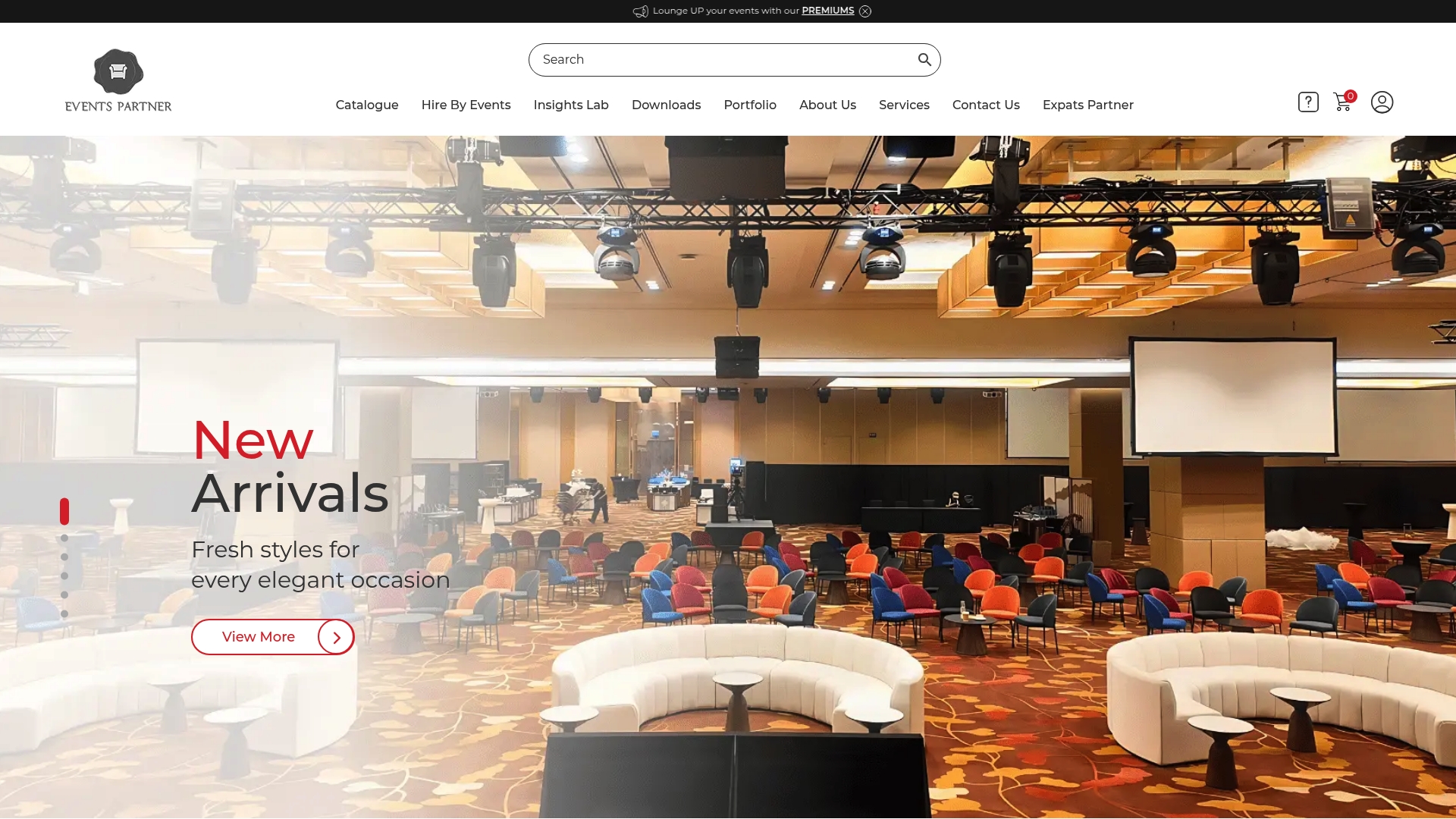
Events Partner’s team knows Singapore venues well, from hotel ballrooms and convention centres to garden spaces and private estates. That local knowledge means fewer surprises on your wedding day. Browse the full furniture rental catalogue or request a customised quote to get started. Clear pricing, real inventory, and reliable logistics are what couples can expect from every booking.
Book 6–9 months ahead for most furniture, and up to 12 months ahead for large infrastructure items like tents and dance floors, especially for peak-season dates.
The industry standard is a 50% non-refundable deposit paid at booking, with the remaining balance due 14–21 days before the wedding.
This depends on the contract. Delivery-only and full-placement services are separate options. Always confirm in writing which service is included in your quote.
Renting a 5–10% buffer above your confirmed guest count is standard practice. Final charges apply only to confirmed quantities, so the buffer carries no cost unless used.
Wedding rental spend typically ranges from S$1,000 to S$5,000, depending on whether the venue is indoors or outdoors and how much infrastructure is required.



 Delivery Fees
 Payment Methods
 FAQ
FAQ