

May 13, 2026
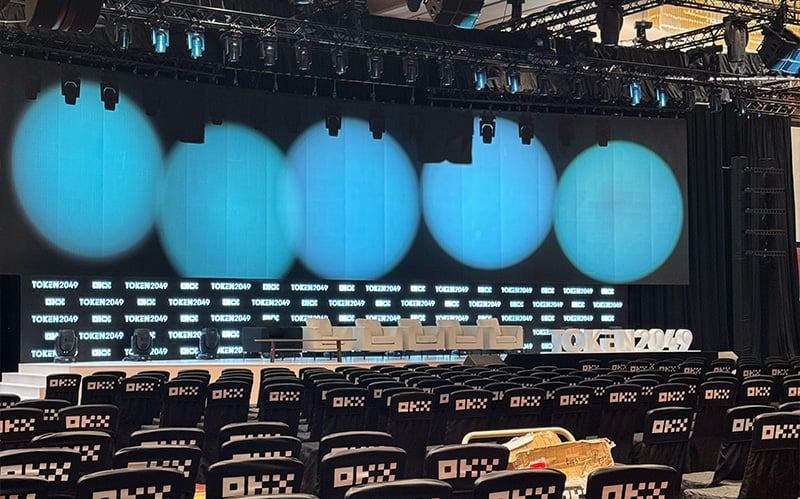
High-volume seminar stage and auditorium seating.

Key Takeaways

  • A clear inventory and scheduling system helps ensure each area is set up accurately and avoids delays caused by misaligned deliveries or incomplete setups.
  • Keeping a small buffer of essential items allows teams to handle last-minute changes, replacements, or layout adjustments without slowing down overall progress.
  • Furniture layouts should be planned around how each area is used, balancing comfort, movement, and visual consistency to create a seamless experience throughout the venue.
  • Setting up core areas first, followed by secondary spaces, creates a more controlled workflow and allows teams to adapt quickly as conditions change on-site.

Introduction

Large events that span multiple zones require a more deliberate level of coordination than single-space setups. In large-scale event planning, organisers are responsible for coordinating furniture across multiple zones while maintaining a cohesive experience. Without a clear structure, mismatched quantities, delayed deliveries, and inconsistent layouts can quickly disrupt both operations and guest flow, particularly in Singapore’s fast-paced event environments.

Why High-Volume, Multi-Zone Events Need a Structured Approach

As events expand across multiple functional areas, coordination becomes more complex. In large-scale event planning, each zone must be planned as part of a connected system rather than treated independently. A structured approach ensures consistency across layout, timing, and quantity, supporting a more controlled execution process. At this stage, event zone management plays a key role in ensuring planning and execution remain aligned across all areas of the event.

Building a Master Inventory and Schedule

Managing furniture at scale requires more than a list of items. Organisers need a clear overview of what is required, where it will be placed, and when it needs to be delivered. A well-defined inventory and schedule framework ensures that every zone is prepared accurately and on time.

Consolidating Inventory Across Zones

A centralised inventory allows teams to track furniture types, quantities, and allocations across all zones in one view. This reduces the risk of duplication or shortfall and gives planners greater confidence when coordinating multiple setup teams.

Aligning Delivery, Setup, and Dismantling Timelines

A structured schedule ensures that furniture arrives and is installed in the right sequence. This is particularly important when coordinating services such as furniture leasing in Singapore, where timing directly affects how efficiently each zone can be prepared without overlap or delay.

Planning Buffer Inventory for Flexibility

Even with careful planning, adjustments are often required. In large-scale event planning, setting aside a buffer of around ten per cent for essential items such as chairs and tables allows teams to respond quickly to changes. This may include accommodating higher attendance, refining layouts, or replacing damaged pieces. This flexibility becomes especially important when managing event furniture logistics, where small shortages can create wider disruptions if not addressed immediately.

Using Modular and Standardised Furniture for Efficiency

Beyond flexibility in quantity planning, efficiency is further enhanced through standardised furniture systems that support faster setup and consistent visual outcomes across zones. As the event scale increases, flexibility in furniture selection becomes a practical advantage. In large-scale event planning, modular and stackable pieces allow layouts to be adjusted quickly between sessions or zones. Standardising furniture types also simplifies replacements and helps maintain a consistent visual language, particularly when sourcing items such as tables and chairs for rental across larger quantities.

Designing Furniture Layouts Around Distinct Event Zones

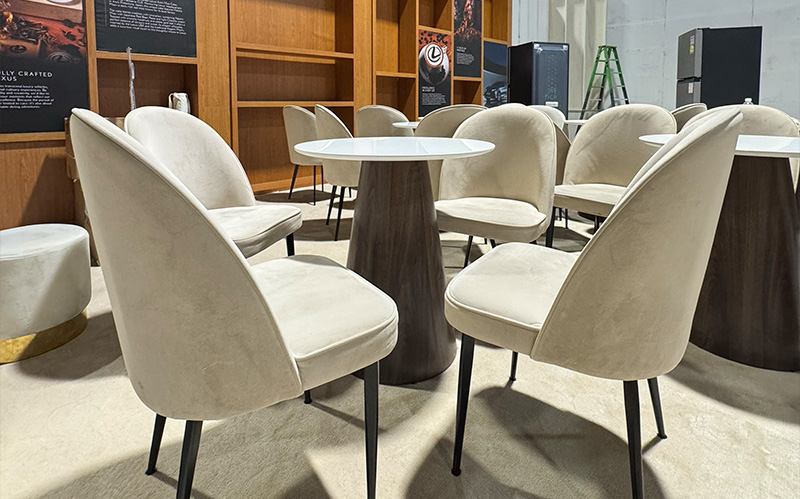
Modern lounge seating in a networking zone. Each zone serves a different purpose, and furniture layouts should reflect how guests use the space while maintaining a cohesive overall look. A well-considered approach ensures that each area feels intentional while still connecting seamlessly with the rest of the event.
Lounge and Engagement Zones

Lounge areas are designed for longer interaction, so comfort and flexibility are key. Lower seating and adaptable arrangements create a more relaxed environment that encourages conversation while keeping the space open.

High-Traffic and Networking Areas

In contrast, networking areas are designed for movement and shorter interactions. In multi-zone event setups, standing tables and durable seating support circulation while allowing guests to engage efficiently. Maintaining consistent finishes across both zone types helps preserve a unified visual identity.

Optimising Layouts for Flow and Safety

Well-planned layouts guide how guests move through the event. Clear pathways reduce congestion, while appropriate spacing between furniture supports both comfort and accessibility. In Singapore venues, where safety requirements are carefully managed, these considerations help ensure a smooth and dependable event experience.

Managing On-Site Operations Across Zones

On-site coordination plays a critical role in maintaining consistency. Assigning dedicated coordinators to each zone allows teams to address adjustments quickly while keeping the overall setup aligned. Clear communication between teams ensures that changes are managed without affecting other areas of the event.

Supporting Scale Through Planning Tools and Documentation

As event complexity increases, clear documentation becomes critical in maintaining alignment across teams and supporting smooth, coordinated execution across all zones. Planning tools provide a structured way to visualise layouts, track inventory, and manage execution with greater precision.

Visualising Layouts with Scaled Floor Plans

Scaled floor plans give teams a clear understanding of how furniture is arranged within each zone. This helps identify spacing, access routes, and transitions early, reducing the need for last-minute changes.

Tracking Inventory and Coordination Digitally

Digital tracking tools provide real-time visibility into inventory distribution. For teams working with experienced providers such as Events Partner, this approach supports accurate coordination across multiple zones.

Maintaining a Cohesive Look Across Large Event Spaces

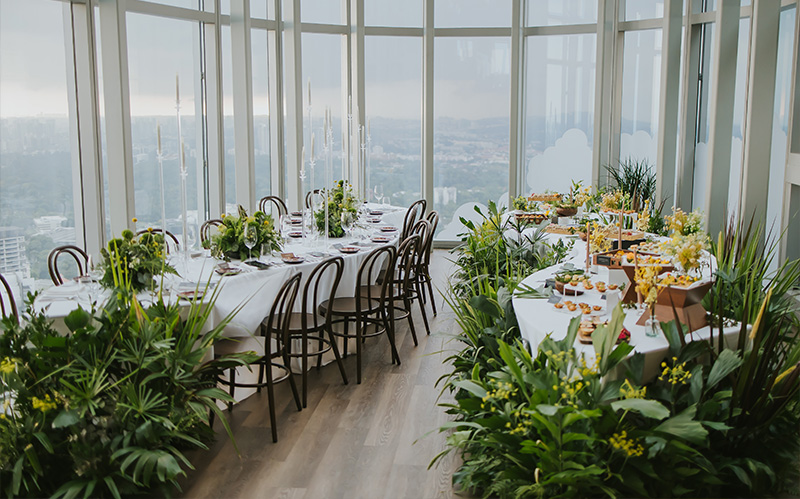
Upscale banquet dining setup with city views. A consistent design approach helps unify the event, even as zones serve different functions. Using complementary materials and a shared colour palette creates continuity, while selected statement pieces can highlight key areas. For organisers working with furniture rental providers in Singapore, this balance ensures both visual appeal and practical usability.

A Practical Example of Multi-Zone Setup Sequencing

A clear setup sequence helps teams prioritise key areas while remaining flexible during execution. This approach is especially useful when working within tight timelines or large venues.

Prioritising Core Event Zones First

Setup typically begins with essential areas such as registration counters, main stages, and primary exhibition spaces. Completing these first ensures that core functions are ready early and provides a stable base for the rest of the setup.

Phasing Secondary and Flexible Zones

Once core zones are established, secondary areas such as lounges and networking spaces are installed. This is where buffer inventory becomes particularly useful, allowing teams to adjust layouts, add seating, or respond to attendance changes without delaying progress. This combination of sequencing and flexibility makes the overall setup more practical and easier to manage on-site.

Conclusion

Managing high-volume furniture requirements across multiple zones requires a structured and coordinated approach. Aligning inventory, layouts, and on-site execution in large-scale event planning ensures that each area functions effectively while contributing to a cohesive overall experience.

For events that span multiple zones, having a clear furniture plan from the start helps avoid unnecessary adjustments later on. At Events Partner, we work closely with organisers to coordinate layouts, manage inventory efficiently, and support smooth setup from start to finish. Speak with our team to plan your next event with greater confidence and clarity.
#event planning
Share
    0
    Added to Cart Successfully
    Your cart is emptyReturn to Shop