


Selecting the right event furniture for your event is the single most consequential decision you will make after confirming your venue. Furniture shapes how guests move, where they sit, how long they stay comfortable, and whether the space feels considered or cobbled together. In Singapore’s event market, where corporate conferences at Suntec City, gala dinners at Marina Bay Sands, and wedding solemnisations at boutique hotels all carry high expectations, furniture choices carry real weight. This guide walks you through the primary factors, practical steps, and common pitfalls so you can make decisions with confidence, not guesswork.
Selecting event furniture well begins with understanding your venue before you browse a single catalogue. Singapore venues range from air-conditioned ballrooms with fixed column placements to open-air atrium spaces at Orchard Road malls, and each imposes different physical constraints on your layout.
Start with these core assessments:
Pro Tip: When planning outdoor events at Singapore venues such as Gardens by the Bay or Sentosa, always request a site visit before finalising your furniture order. What looks spacious on a floor plan often feels much tighter once tents, staging, and AV rigs are in place.
The right furniture for your event is not the most attractive option in the catalogue. It is the option that fits your venue’s physical reality, meets safety requirements, and keeps your guests comfortable throughout.
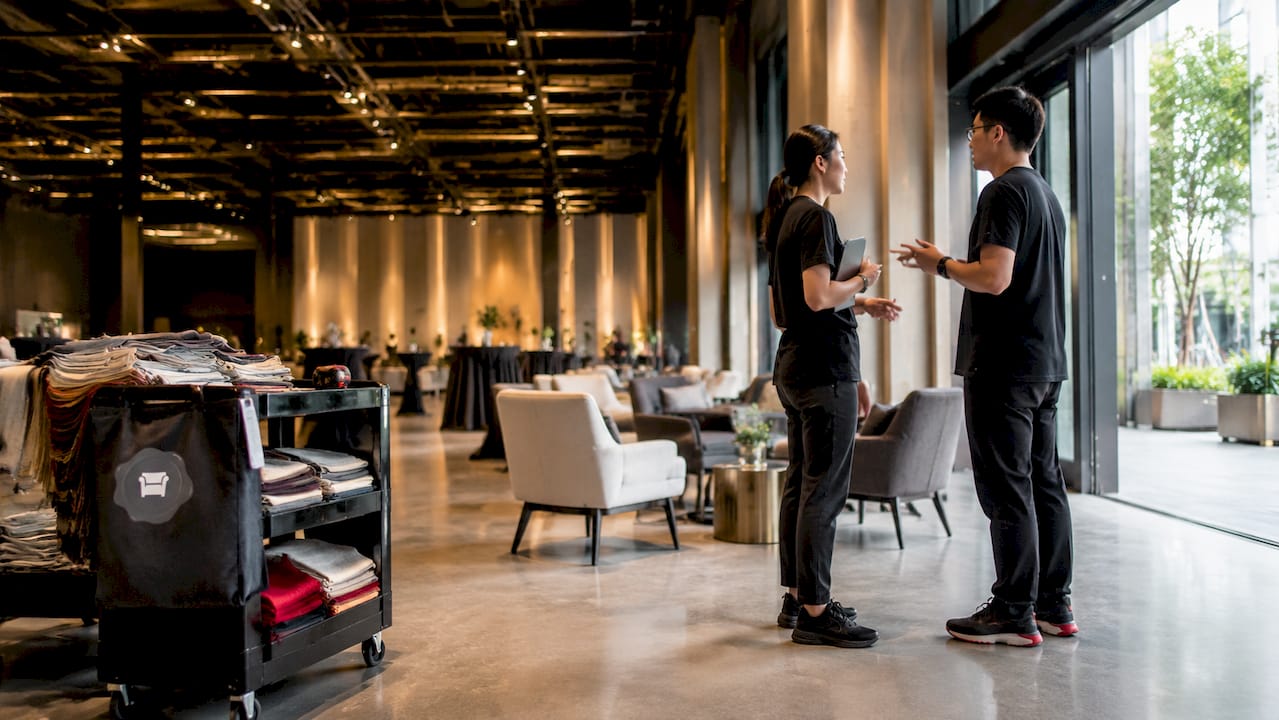
The format and purpose of your event should drive every furniture decision. A corporate conference at a convention centre demands a completely different furniture approach from a cocktail reception at a hotel rooftop or a wedding solemnisation at a garden venue.
Here is how to match furniture style to event format:
Furniture also guides guest movement in ways that are easy to overlook. Placing lounge clusters near the entrance slows guest flow and creates bottlenecks. Positioning high tables along the perimeter of a cocktail reception draws guests away from the centre and opens up circulation space naturally. For events with a stage, furniture layout must align with AV and stage management to preserve operational paths for speakers, roving microphone operators, and service staff.
A well-planned furniture rental process prevents the two most common problems on event day: wrong quantities and late deliveries. Follow this sequence to keep your procurement on track.
Here is a quick comparison of the two most common approaches to furniture planning:
| Approach | Best for | Risk |
|---|---|---|
| Capacity-first planning | Large conferences, gala dinners | May sacrifice comfort for numbers |
| Comfort-first planning | VIP events, long-duration sessions | May underuse available floor space |

Pro Tip: For hybrid or multi-zone events, map each zone’s furniture independently before combining them into a single floor plan. A networking lounge and a theatre seating area have completely different spacing logic. Treating them as one layout often results in both zones being compromised.
For large-scale exhibitions and trade shows, the planning complexity increases significantly. Events Partner’s exhibition furniture planning guide covers zone-by-zone furniture management for multi-booth setups.
Furniture shapes guest interaction and comfort in ways that go well beyond visual appeal. The spacing between rows, the height of tables, and the placement of chairs relative to the stage all determine whether your event feels organised or chaotic.
The most common mistakes planners make in this area are:
“Furniture is not the backdrop to your event. It is the infrastructure your guests interact with from the moment they walk in to the moment they leave.”
For corporate events where networking is a primary objective, furniture layout directly affects how many meaningful conversations guests have. Events Partner’s article on furniture layout and networking explains how cluster arrangements and lounge zones outperform traditional theatre rows for interaction-focused formats.
Selecting the right event furniture requires matching venue constraints, guest needs, and event format before any aesthetic decisions are made.
| Point | Details |
|---|---|
| Venue assessment comes first | Measure usable floor area and confirm aisle clearances before choosing furniture styles. |
| Safety compliance is non-negotiable | Indoor aisles need 1.2 m clearance; outdoor events require 3 m for SCDF compliance. |
| Match seating style to event format | Use banquet ratios for dinners, cocktail ratios for receptions, and theatre rows for keynotes. |
| Confirm numbers and style early | Locking in headcount and furniture style early prevents costly last-minute changes. |
| Furniture drives flow, not just aesthetics | Spacing, sightlines, and service paths determine how smoothly your event runs on the day. |
After working across hundreds of events in Singapore, from intimate solemnisations at boutique hotels to multi-day exhibitions at Singapore Expo, the pattern we see most often is planners treating furniture as a finishing detail rather than a planning foundation.
The venues that run most smoothly are always the ones where furniture was mapped before catering, before AV, and before décor. When you know exactly where every chair and table sits, every other supplier can plan around it. When furniture is left to the end, it gets squeezed into whatever space remains, and that is when you end up with blocked fire exits, obstructed sightlines, and guests sitting at awkward angles to the stage.
The other oversight we see regularly is underestimating the impact of chair comfort on event perception. Guests rarely compliment a chair that feels good. They always remember one that does not. For any session running longer than 90 minutes, padded seating is worth the additional cost. The feedback you receive after the event will reflect it.
Singapore’s venue market also moves quickly. Loading bay access windows at hotels like Raffles City and Orchard Hotel are tightly managed, and rental providers who are not briefed on these constraints will miss their setup window. Brief your furniture rental partner on venue logistics at the point of enquiry, not the day before delivery.
The planners who get the best results treat their furniture rental provider as a logistics partner, not just a supplier. Share your run-of-show, your floor plan, and your access windows upfront. The more your provider knows, the better they can support you.
— Events Partner
Events Partner provides modern event furniture rental across Singapore for corporate conferences, gala dinners, exhibitions, product launches, weddings, roadshows, and brand activations. Whether you need theatre seating for 500 guests at a convention centre or a curated lounge setup for a VIP reception, Events Partner carries real inventory with transparent pricing and reliable delivery.
The team at Events Partner advises on furniture fit, guest comfort, and venue logistics, so you can focus on running your event rather than managing supplier coordination. Browse the full range and get a quote through the event furniture rental page, or explore dedicated options for corporate events and wedding furniture. Your Partner for Every Event.
Indoor event layouts should maintain at least 1.2 metres of aisle clearance to allow guest movement without disruption. Outdoor events governed by SCDF fire safety rules require a minimum of 3 metres.
For banquets and formal dinners, use a 1:1 guest-to-seat ratio. For cocktail receptions and hybrid networking events, a ratio of 0.6 to 0.9 seats per guest is appropriate, as not all guests will be seated simultaneously.
Confirm your guest headcount and furniture style as early as possible, ideally four to six weeks before the event. Early confirmation prevents last-minute substitutions and keeps setup timelines on track.
Powder-coated aluminium, resin, and treated rattan hold up well in Singapore’s humidity and heat. Avoid upholstered pieces in direct sunlight, as fabric deteriorates quickly and guest comfort drops in warm conditions.
Yes. Lounge clusters and high-table cocktail arrangements encourage conversation and movement, while theatre-style rows limit interaction to the people immediately beside you. Matching your layout to your event’s social objectives makes a measurable difference to guest experience.



 Fleet Deployment Rates
 Payment Methods
 FAQ
FAQ