

A successful event depends on more than a strong programme, attractive styling, or a well-chosen venue. It also depends on how guests arrive, move, sit, interact, and remain engaged throughout the experience. This is where event furniture plays an important role, shaping both the visual direction of the space and the practical flow of the day.
In Singapore, furniture planning often needs to account for strict venue access rules, compressed build-up windows, lift booking schedules, loading bay restrictions, and varying spatial limitations. These details may seem operational at first, but they can affect everything from setup timing to guest comfort and overall event flow.
For organisers comparing a furniture rental service with ownership, rental offers a practical way to reduce storage, maintenance, and logistics concerns while maintaining flexibility across different event formats. It allows teams to select pieces that suit each occasion, whether the priority is formal seating, networking areas, lounge zones, display settings, or outdoor hospitality spaces.
Beyond visual appeal, the right furniture choices can support smoother crowd movement, clearer zoning, better accessibility, and a more comfortable guest experience. When planned early, furniture becomes part of the wider event strategy rather than a last-minute checklist item. This guide explores what to consider when renting furniture for events in Singapore, from selection and layout to operational support and final coordination.

In Singapore’s fast-moving event environment, furniture rental is not just about filling a venue with tables and chairs. It is a planning decision that affects layout, comfort, timing, logistics, and the overall guest experience. Understanding how rental furniture supports both design and operations can help organisers make more confident decisions before the event build-up begins.
Event furniture does more than fill a venue. It defines how a space is structured, how guests move through each area, and how different parts of the programme feel. Registration counters, lounge seating, cocktail tables, dining setups, and presentation zones all help create a clearer journey from arrival to departure.
For conferences, forums, and long-form programmes, seating layouts influence attention, engagement, and comfort. Practical event seating arrangements allow guests to focus on the programme without feeling cramped, while still giving organisers enough room for ushers, speakers, service staff, and technical teams to move safely.
Tables, counters, and modular pieces also help guide guest movement. When placed with care, they reduce congestion around entrances, registration points, networking zones, and refreshment areas. For chair rental, organisers often begin by confirming seating capacity, guest comfort, and the level of formality required. Table rentals can then be planned around programme flow, service access, and the occasion’s dining or discussion needs.
Consistent styling also supports brand coherence. For corporate launches, exhibitions, and gala settings, event furniture should complement staging, lighting, florals, signage, and AV elements instead of competing with them. This creates a polished environment where the furniture supports the overall design direction while keeping the space functional.
Experienced furniture partners also consider safety, accessibility, and venue requirements early. This includes walkway space, lift access, loading routes, guest circulation, and setup sequencing. When these details are planned ahead, organisers can reduce friction during build-up and respond more confidently to live adjustments on event day.
Event furniture rental has become a practical choice for organisers who need flexibility without long-term ownership commitments. Instead of buying and storing furniture for different event formats, teams can select pieces that suit each occasion, whether they are planning a formal conference, an exhibition booth, a networking reception, or a private celebration.
Rental also gives organisers access to a broader range of furniture types and configurations than most organisations can reasonably maintain in-house. This is especially useful when event formats change from one project to another. A brand activation may need lounge seating and counters, while a seminar may require rows of chairs, discussion tables, and a clean conference furniture setup that supports clear sightlines and smooth transitions.
Professionally managed rental furniture is maintained, cleaned, and rotated to ensure dependable presentation across events. This matters in Singapore’s corporate and hospitality settings, where guests often expect furniture to look neat, consistent, and appropriate for the occasion. For corporate event furniture, consistency and comfort matter most across long-form programmes, multi-room scheduling, and high-touch guest experiences.
Rental also removes storage and maintenance concerns, which are especially relevant in Singapore’s space-constrained and humid environment. This is why furniture leasing options in Singapore have become practical for recurring corporate teams that need reliable access to furniture without taking on permanent inventory responsibilities.
Working with an established provider can also centralise logistics. Instead of coordinating multiple suppliers for seating, tables, counters, lounge pieces, and setup support, organisers can manage these needs through one furniture partner. This helps reduce communication gaps, especially when timelines are tight and venue access windows are limited.
A reliable furniture partner should support both the design intent and the operational demands of an event. This means helping organisers think beyond individual furniture pieces and consider how delivery timing, setup discipline, safety, inventory condition, and on-site responsiveness affect the final guest experience.
Operational reliability is especially important in Singapore, where venue access windows, loading schedules, and build-up timelines are often tightly coordinated. Timed delivery, structured setup, and smooth breakdown help organisers keep the event moving according to plan.
A safety and compliance mindset also matters. Furniture should be handled, placed, and adjusted with care so that walkways, access points, service routes, and guest areas remain practical throughout the event.
Maintaining inventory standards helps ensure that the setup looks consistent and presentable. Cleaned, checked, and rotated furniture can make a noticeable difference, especially for corporate functions, exhibitions, weddings, and high-touch hospitality settings.
Beyond delivery, thoughtful layout support can help organisers refine zoning, sightlines, walkways, and guest circulation. This partnership approach reduces friction between teams, venues, and timelines, giving organisers more confidence from planning to event-day execution.

Event furniture rental is widely used across corporate conferences, seminars, trade shows, gala dinners, product launches, weddings, and private celebrations. Each format has different priorities, but the goal is usually the same: to create a space that looks intentional, supports the programme, and remains comfortable for guests.
Corporate conferences and seminars often depend on structured seating, registration counters, breakout furniture, and speaker areas that support clarity and focus. A well-planned layout helps guests move between sessions smoothly, while giving organisers enough flexibility to manage check-in, networking, refreshments, and post-event discussions.
Gala dinners and award ceremonies require coordinated dining furniture and layouts that balance formality with guest comfort. Dining and meeting zones often begin with table rental for events mapped to aisle width, service access, stage visibility, and the movement of banquet staff. This helps the space feel refined without compromising operational flow.
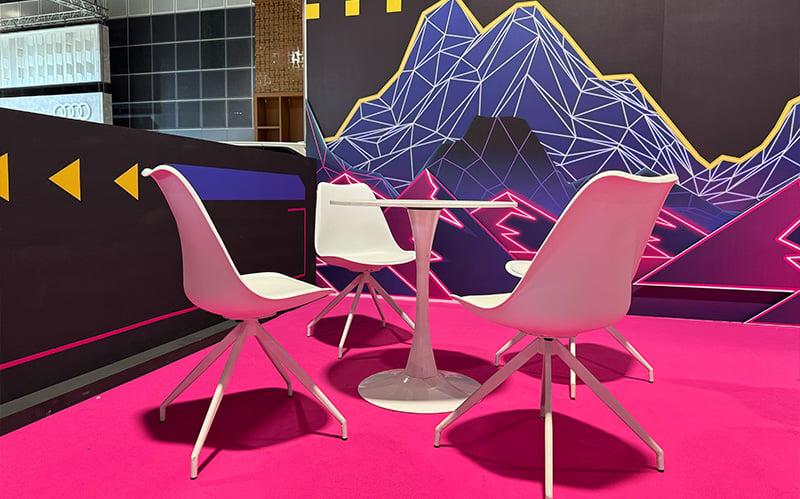
Trade shows and exhibitions rely on modular furniture that adapts to booth layouts, meeting areas, and display zones. Exhibitors often consolidate through Expo furniture hire to keep booth styling consistent, especially when several product displays, discussion points, and hospitality areas need to work together within a compact footprint.
Product launches and brand activations often use lounge furniture, counters, high tables, and display pieces to encourage interaction and dwell time. For outdoor segments, outdoor chair rental and weather-appropriate pieces should be selected early so that guest comfort, durability, and event styling are considered together.
For these event formats, event furniture should be planned with both design intent and real event conditions in mind. The right choices can help layouts remain practical even when there are last-minute guest count changes, access delays, weather considerations, or adjustments to the programme flow.
Once organisers understand how rental furniture supports event flow, the next step is knowing how to choose pieces that suit the venue, audience, programme, and brand direction. A strong selection process balances appearance with practical details such as access, spacing, comfort, and on-site coordination, so the final setup feels both polished and purposeful.
Choosing furniture for an event should begin with the purpose of the occasion. A seminar may need a layout that supports focus and note-taking, while a networking session may require flexible seating, standing tables, and open circulation areas that encourage conversation. For product launches, exhibitions, or brand activations, the furniture also needs to support visibility, movement, and interaction without making the space feel crowded.
The audience profile should also guide the selection process. Guest count, age range, expected dwell time, accessibility needs, and the formality of the occasion can all affect seating comfort and layout density. A VIP reception, for example, may call for more refined lounge settings, while a trade booth may require compact pieces that support short meetings and quick visitor engagement.
Venue conditions are equally important. Loading access, lift capacity, ceiling height, floor plans, build-up schedules, and service routes can affect which furniture configurations are realistic. In Singapore, where many venues operate with fixed access timings and shared loading areas, these details should be checked early to avoid delays during setup.
Brand positioning is another factor that should not be overlooked. Some events call for neutral, understated furniture that allows staging, lighting, and branding to take the lead. Others may benefit from more expressive pieces that help shape the mood of the space. For exhibition and trade show furniture, the goal is often to create a booth environment that is attractive, functional, and easy for visitors to navigate.
Early collaboration with a furniture partner helps organisers identify practical constraints before they become last-minute issues. This includes checking whether selected pieces fit the venue route, whether the layout allows enough movement space, and whether the furniture style supports the event’s wider visual direction.
Good event layout planning ensures that the venue is used efficiently while still feeling comfortable and intentional. It helps define where guests should enter, where they should pause, how they should move between zones, and where key activities should take place. This is especially important for events with multiple functions, such as registration, presentations, dining, networking, and product showcases.
Proper spacing improves sightlines, acoustics, and overall guest comfort throughout the event. Walkways should remain clear, seating should not block important views, and furniture should be positioned to support the programme rather than interrupt it. Even small layout decisions, such as where to place cocktail tables or registration counters, can influence how smoothly guests move through the space.
On-site coordination is also important because live events rarely remain static. Programme changes, technical requirements, crowd flow adjustments, or venue limitations may require furniture to be repositioned during setup. Having responsive support on the ground helps organisers make these changes without disrupting the overall schedule.
This is where Events Partner’s involvement beyond delivery becomes valuable. By supporting coordination during setup, the team helps ensure that furniture placements align with the actual conditions of the venue and the way the event unfolds. This gives organisers greater confidence that the final setup will not only look polished but also function well for guests, vendors, and event teams.

Before confirming the final furniture plan, organisers should review the practical details that can affect setup quality and event-day flow. A simple checklist helps ensure that the selected pieces suit the venue, programme, guest profile, and operational requirements.
Confirming these details early helps reduce avoidable delays and keeps the setup aligned with the intended event experience. It also gives the organising team more room to manage changes without compromising comfort, safety, or visual consistency.
Event furniture planning works best when it begins alongside venue confirmation, rather than after the programme has been finalised. Early planning aligns furniture layouts with floor plans, programme flow, and technical requirements, such as staging, audiovisual placement, and power access. This is especially important for larger or more complex events, where space constraints and venue regulations can limit layout options if decisions are made too late.
Many event furniture solutions are modular and flexible. With proper coordination, layouts can often be adjusted to accommodate changes in audience size, programme structure, or event pacing. Advance planning and clear communication help ensure that any adjustments remain practical and do not compromise safety, sightlines, or overall event flow.
Experienced furniture providers anticipate adjustments during live event execution. On-site teams who understand the event context and the intent of the layout are better positioned to respond quickly when changes arise. This approach helps maintain safety, visual consistency, and programme continuity, even when timelines shift or unforeseen requirements emerge.
Furniture directly influences comfort, movement, and engagement throughout an event. Seating quality affects attention and endurance during formal segments, while table placement and spacing shape how easily guests move and interact. Well-planned furniture supports a balanced experience, allowing guests to focus on the content or connections rather than physical discomfort or spatial confusion.
Working with a single event furniture provider simplifies coordination and accountability across planning, delivery, setup, and adjustments. A cohesive approach reduces the risk of misalignment across suppliers and enables furniture decisions to be managed as part of an integrated event workflow rather than as separate, disconnected elements.

Event furniture plays a defining role in how an event functions, flows, and is experienced by guests. The right pieces help shape movement, comfort, visual consistency, and the overall rhythm of the programme, making furniture planning an important part of both design and operations.
In Singapore’s venue-driven event environment, organisers often need to account for venue constraints, programme structure, guest movement, access timings, and live operational demands. A well-planned furniture setup can help reduce congestion, support clearer zoning, and make the event feel more organised from arrival to breakdown.
While rental offers flexibility and efficiency, its impact depends on how well the selection, layout, delivery, and on-site execution are managed. Working with a provider that understands venue realities, setup sequencing, and real-time coordination can help reduce last-minute disruptions and improve event-day confidence.
Events Partner supports organisers who require more than furniture delivery, offering practical planning support and responsive on-site involvement where it matters most. From corporate functions and exhibitions to weddings and private celebrations, the right rental approach helps ensure each setup feels purposeful, polished, and aligned with the occasion.
To plan a furniture setup that suits your venue, programme, and timeline, speak with our team early. With the right support in place, your event can move from build-up to breakdown with greater clarity, confidence, and control.



 Fleet Deployment Rates
 Payment Methods
 FAQ
FAQ