

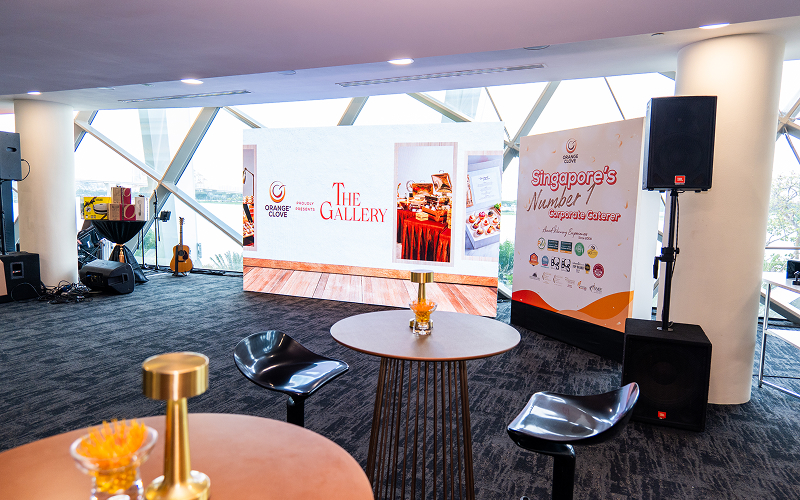
Furniture planning is a critical part of any corporate event, yet it is often underestimated. Beyond aesthetics, it directly impacts guest experience, operational flow, and brand perception. A well-structured corporate event planning checklist helps teams align logistics, budgets, and expectations from the outset, reducing the risk of last-minute issues. For corporate planners in Singapore, where venues operate on strict schedules and shared access, clarity before confirmation is essential.
Corporate events often involve multiple stakeholders, fixed timelines, and defined performance expectations. Without a clearly defined corporate event planning checklist, even small gaps in communication can lead to delays, unexpected costs, or coordination challenges on-site. In structured environments such as hotels and exhibition venues, aligning furniture rentals with broader event logistics supports smoother execution and a more controlled outcome.
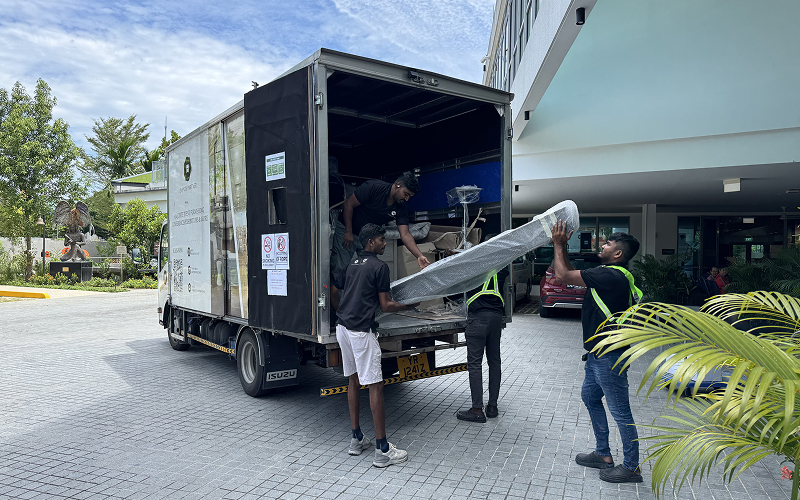
Before confirming any rental, corporate teams need a clear understanding of how furniture will be delivered, installed, and removed within the constraints of the venue. Misalignment in these areas can lead to delays, additional charges, or operational disruptions on event day, which may place unnecessary pressure on timelines and overall coordination. Addressing these details early clarifies responsibilities and keeps logistics coordinated throughout the event.
Establishing clear delivery and collection windows ensures alignment with venue access hours and avoids unnecessary delays. In Singapore, where venues often operate within tight loading schedules, even minor timing misalignment can result in penalties or rescheduling. For teams that need to rent furniture short-term, confirming these timelines early allows for better coordination with other vendors and reduces last-minute pressure.
Understanding whether the vendor provides full setup and dismantling, or only delivery and collection, helps define internal responsibilities. Some teams may assume that installation is included, only to find that additional manpower is required on-site. Clarifying this scope in advance supports a smoother corporate event setup process and ensures that the event space is ready on time without unexpected gaps.
Every venue comes with its own operational considerations, and these should be addressed early in the planning process. Details such as loading dock access, lift dimensions, and floor load limits can affect how furniture is transported and installed. Providing this information upfront allows vendors to plan effectively and prevents disruptions that could affect the overall event schedule.
Clear cost visibility and well-defined contractual terms are essential for maintaining control over budgets and expectations. Without proper clarification, teams may encounter additional charges or restrictions that affect both planning flexibility and financial outcomes. Taking time to review these elements ensures that all parties are aligned before any agreement is finalised.
Requesting an itemised quotation allows corporate teams to understand how costs are allocated across furniture, delivery, labour, and additional services. This level of transparency is particularly important when working with a furniture rental provider in Singapore, ensuring each component is clearly accounted for and aligned with budget expectations.
Beyond base pricing, it is important to clarify potential additional costs that may arise. Charges related to overtime, cleaning, or last-minute changes can accumulate if not addressed early. Reviewing these variables as part of a well-defined corporate event planning checklist reduces the risk of budget overruns and supports more accurate financial planning.
Corporate events often evolve as guest counts and programme details are refined. Understanding how cancellations or modifications are handled ensures that teams remain flexible without incurring unnecessary penalties. Reviewing event contracts and related agreements carefully allows teams to plan with greater confidence and adapt when needed.
Furniture quality plays a direct role in how the event is experienced, particularly for corporate functions where presentation reflects brand standards. Inconsistent or poorly maintained items can affect both visual cohesion and guest comfort. Setting clear expectations for quality ensures that every element supports the intended outcome and contributes to a polished, well-considered event environment that reflects the desired brand image.
Consistency across all rented items contributes to a cohesive visual experience. Variations in colour, finish, or condition can affect the overall impression of the event, especially in larger-scale setups. Establishing clear expectations for quality ensures that every piece aligns with the intended design direction and supports a consistent visual identity across the event space.
Verifying the condition of furniture upon delivery provides a clear point of reference for both parties. Documenting items through photographs helps reduce ambiguity and supports fair resolution in the event of discrepancies. This approach ensures that expectations remain aligned from delivery through to collection.
Clear accountability during the event ensures that issues can be managed efficiently without confusion or delays. When responsibilities are not clearly defined, even minor incidents can escalate into larger disruptions. Establishing these boundaries early allows teams to respond confidently and maintain control throughout the event.
Defining responsibility for damage or loss during the rental period helps prevent disputes. Corporate teams should understand how liability is shared and what conditions apply, particularly for high-traffic or high-value setups. Including this within a well-defined corporate event planning checklist ensures that all stakeholders are aligned before the event begins.
Unexpected issues can arise even with careful planning, which is why contingency support is important. Clarifying whether on-site assistance or replacement items are available allows teams to respond quickly if adjustments are needed. For setups involving table rental for events, maintaining a small buffer in quantity helps accommodate changes without affecting the overall arrangement.
Selecting the right vendor goes beyond product selection and extends to operational reliability and experience. As part of a structured corporate event planning checklist, assessing a vendor’s track record and familiarity with similar event environments helps teams make more informed decisions. A dependable partner understands the demands of corporate events and is able to anticipate challenges before they arise. Vendors with strong experience in event logistics planning are better equipped to manage constraints, coordinate efficiently, and deliver a smoother overall execution.
To support practical decision-making, corporate teams can align on a few essential questions before confirming any rental arrangement:
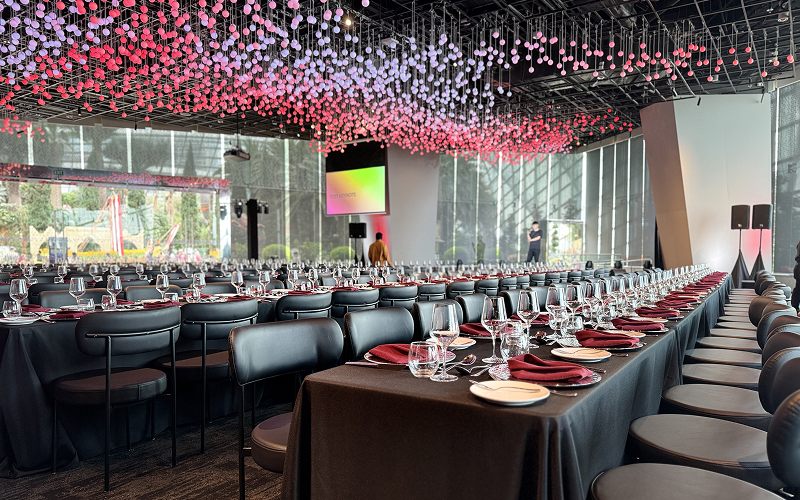
Furniture rental decisions influence more than layout. They shape coordination, timing, and the overall success of the event. Events Partner works closely with corporate teams to clarify logistics, scope, and responsibilities before confirmation, with a focus on transparent communication and coordinated execution.
For teams preparing to confirm their furniture rental, clarity at this stage is critical to avoiding last-minute disruptions. Speak with our team to review your setup, validate logistics, and ensure every detail is aligned before final confirmation.



 Fleet Deployment Rates
 Payment Methods
 FAQ
FAQ