

Exhibition organisers need partners who can deliver and install furniture within tight venue access windows, as delays can affect booth preparation, contractor schedules, and final event readiness.
Furniture condition and consistency matter because matching, well-maintained pieces help create a professional event floor and support a stronger impression for exhibitors and visitors.
Large-scale exhibitions require careful coordination across booths, lounges, registration areas, and meeting spaces, so accurate placement is just as important as having enough stock.
Clear communication and responsive on-site support help organisers manage last-minute changes, reduce disruptions, and keep the overall event experience smooth and polished.
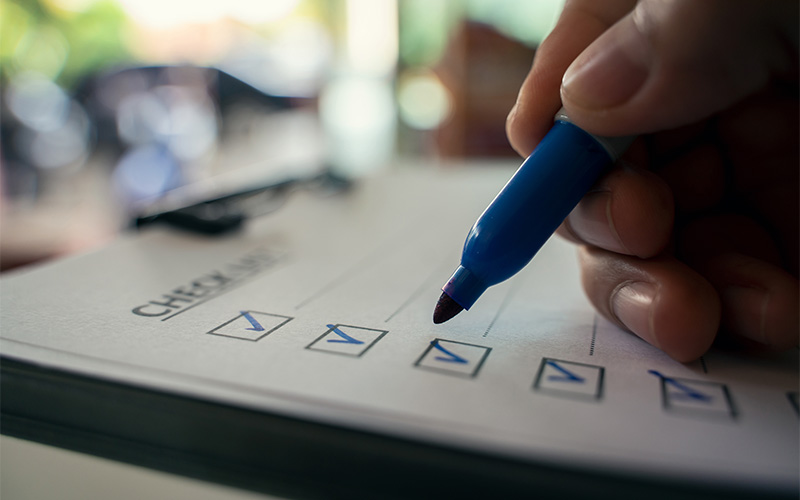
Exhibitions in Singapore are highly coordinated environments where organisers must align exhibitors, contractors, venue teams, suppliers, and visitors within a fixed timeline. Furniture may appear to be one component within the wider exhibition planning checklist, but it has a direct impact on booth readiness, visitor comfort, brand presentation, and how smoothly the exhibition floor operates. A dependable furniture rental partner, therefore, needs to offer more than a catalogue of available pieces. Organisers, therefore, require a partner whose team understands the full scope: timing, scale, coordination, aesthetics, and the operational pressure behind large-format events.

Exhibition schedules are usually planned around fixed build-up and teardown windows, especially in busy Singapore venues where multiple teams may be working on the floor at the same time. Furniture must arrive within the agreed access period so that booth builders, exhibitors, branding teams, and AV providers can complete their work without disruption.
When delivery is late or incomplete, the delay can affect multiple booths. It can create a chain reaction that slows down final checks, styling, and exhibitor preparation. For example, in high-traffic Singapore venues like the Singapore Expo or Suntec Convention Centre, fixed windows are non-negotiable due to high demand and strict union or venue access rules. A delay of even one hour can result in penalty fees or serious bottlenecks.
This is why punctuality is a core expectation in any exhibition planning checklist. Organisers need a furniture rental partner that confirms delivery timings clearly, understands venue access requirements, and installs items according to the agreed schedule. Reliable delivery also gives exhibitors more confidence, as they can focus on preparing their displays, meeting materials, and visitor engagement plans instead of resolving avoidable setup issues.
A professional exhibition floor depends on consistency. Organisers may need matching tables, chairs, counters, sofas, bar stools, and lounge furniture across multiple booths and shared zones. If items arrive in uneven condition, the overall presentation can feel less polished, even when the booth design and branding are well planned. This matters in exhibitions because visual quality affects how exhibitors are perceived by visitors, partners, and potential clients.
For a Singapore furniture rental company supporting exhibitions, careful inventory maintenance means ensuring that every piece looks presentable, clean, and suitable for a professional environment. Consistent furniture helps organisers create a cohesive event experience, while well-maintained items reduce the risk of last-minute replacements. For premium events, MICE exhibitions, product launches, and corporate showcases, this level of care supports both function and appearance.
Large exhibitions often involve many moving parts, from individual exhibitor booths to registration counters, networking lounges, seminar rooms, hospitality areas, and VIP meeting spaces. Furniture rental partners must be able to support these different requirements without losing accuracy or control. For organisers, scale is not only about having enough stock. It is also about ensuring that the right pieces are delivered, placed, and ready in the right areas.
This expectation becomes more important when many exhibitors require similar items within the same setup window. Organisers may need high volumes of chairs, tables, stools, display counters, and lounge pieces to support different booth formats and visitor experiences. A partner that can handle quantity without compromising condition gives organisers greater assurance during peak event periods. This is especially important when furniture requirements are confirmed across different exhibitors, sponsors, and shared areas. Strong exhibition logistics management helps ensure that large orders remain organised from preparation to final placement.
Once furniture reaches the venue, accuracy becomes just as important as availability. Each booth or zone may have its own layout, quantity, and styling requirements. If furniture is placed in the wrong location, exhibitors may lose time checking orders, shifting items, or waiting for corrections. Accurate allocation helps organisers maintain order across the floor and reduces unnecessary disruption during setup. This also strengthens the exhibition planning checklist, as organisers can match furniture placement to floor plans, exhibitor needs, and shared space requirements with greater confidence.
Furniture installation is rarely isolated from the wider build-up process. It is usually carried out alongside stand construction, lighting, signage, AV setup, cleaning, and venue inspections. Because many teams are involved at once, clear communication from the furniture partner becomes essential before and during the setup period. Clear coordination helps prevent congestion, miscommunication, and avoidable delays across the venue.
Smooth installation depends on how well the furniture partner works alongside the wider group of event suppliers. For example, furniture may need to be delivered after major booth structures are completed but before final styling, branding, or display arrangements begin. If furniture is installed too early, it may block other contractors. If it arrives too late, exhibitors may not have enough time to complete booth preparation. This is why coordination with stand builders, AV teams, signage providers, venue teams, and cleaning crews is a practical expectation, not an added benefit.
Organisers also need timely information so they can make decisions before small issues become larger problems. Confirmed item lists, delivery schedules, access details, and layout references help organisers understand what to expect on-site. During setup, quick updates allow them to adjust booth plans, inform exhibitors, or coordinate with venue teams when changes arise. This is especially useful during trade show setup planning, where multiple decisions need to be made within a short period. A responsive furniture partner helps organisers maintain control without adding unnecessary administrative pressure.
Even when planning is thorough, exhibitions can still involve last-minute adjustments. An exhibitor may request additional seating for a meeting area, a table may need to be repositioned for a product demonstration, or a lounge setup may need to be adjusted to improve visitor flow. Organisers value partners who can respond quickly, as small changes can affect how ready the space feels when doors open.
This is where practical support for table rentals, seating adjustments, and shared furniture zones becomes especially useful. On-site or rapid-response support helps organisers resolve issues without disrupting the wider schedule. During event hours, it also provides reassurance that urgent furniture-related needs can be addressed professionally, especially in high-traffic areas such as registration counters, networking spaces, and VIP meeting zones.
Furniture is not only about providing places to sit or surfaces to use. In an exhibition setting, furniture influences how visitors move, how long they stay, and how exhibitors present their brands.
A booth designed for quick enquiries may need compact, practical furniture, while a premium consultation area may require a more refined lounge-style setting. Shared spaces may need to feel open, comfortable, and easy to navigate.
The right event chair rental options, meeting tables, sofas, counters, and display pieces can help organisers create environments that are both functional and visually aligned with the event’s tone. In exhibition event operations, this matters because furniture affects both brand experience and operational flow. A well-planned furniture setup can support private conversations, product demonstrations, networking, and visitor rest areas without making the space feel crowded or disconnected.

Sustainability is increasingly relevant in Singapore’s events industry, particularly for organisers managing repeated exhibitions, corporate showcases, and brand activations. Rental furniture supports a more responsible approach because items can be reused across multiple events instead of being produced for one-time use. This reduces unnecessary waste while still allowing organisers to create polished and professional spaces.
Durable and well-maintained furniture also contributes to better resource use. When pieces are properly cared for, they remain suitable for different event formats over time. For organisers reviewing their exhibition planning checklist, sustainability does not need to be separated from quality or presentation. Choosing rental furniture can support both practical event needs and more mindful planning practices.
Exhibition organisers expect furniture rental partners to contribute to the success of the wider event, not simply deliver items to a venue. Reliability, punctuality, maintained inventory, clear coordination, scalable support, and responsive service all help the exhibition floor operate with fewer disruptions. At the same time, furniture plays an important role in shaping how exhibitors present their brands and how visitors experience each booth or shared space.
For organisers, early coordination around quantities, layouts, delivery timings, venue access, and dismantling schedules can make the exhibition planning checklist more complete and manageable. Events Partner supports exhibitions, corporate events, and trade show environments in Singapore with furniture solutions that balance style, function, and operational dependability.
Reach out to our team to plan furniture layouts, delivery schedules, and on-site requirements for your upcoming exhibitions and trade shows.



 Fleet Deployment Rates
 Payment Methods
 FAQ
FAQ