When to Book Event Furniture to Avoid Peak Season Shortages
March 19, 2026
Key Takeaways:
A structured event planning timeline should factor in furniture allocation early, as inventory is scheduled across overlapping events rather than reserved solely by date.
Availability is shaped by delivery sequencing, setup durations, and teardown windows, especially during peak seasons when demand intensifies across venues in Singapore.
Larger weddings and corporate functions typically require longer lead times to secure matching sets, premium pieces, and consistent quantities across multiple zones.
Confirming the venue and floor plan before booking furniture reduces estimation errors, supports smoother logistics planning, and lowers the risk of last-minute compromises.
Introduction
An effective event planning timeline involves more than just securing the venue or confirming caterers and AV teams. Furniture shapes how a space functions, influencing guest circulation, conversation locations, and the comfort of the programme's flow. In Singapore, this detail is often overlooked until choices begin to dwindle. Across weddings, corporate functions, and private celebrations, event furniture availability can change rapidly during busy periods. An item that seems standard one month may be fully allocated the next. When confirmation is delayed, preferred styles, coordinated sets, or matching quantities may no longer be available. Therefore, booking event furniture early does more than just secure inventory; it protects layout consistency, visual harmony, and the overall guest experience. However, timing is not about rushing decisions, but about sequencing them correctly. Once you understand how inventory is rotated across overlapping events and tight delivery schedules, the rationale for earlier booking becomes clearer. With this perspective, planning shifts from reactive to strategic, and compromises become far less likely.
Why Event Furniture Sells Out Faster Than Expected
Event furniture is rarely reserved for a single date. Tables, seating, cocktail setups, and lounge pieces are continually moved between venues, often within very tight turnaround times. A set delivered on Friday evening might be dismantled overnight, checked, loaded, and installed again at another location the next morning. The calendar may show availability, yet the logistics behind it tell a more complex story. During peak event planning season, that rotation becomes even more compressed. Standard pieces, such as round tables or banquet chairs for rent, can reach allocation limits surprisingly early. Premium finishes, full matching collections, or customised items are usually secured first, sometimes months in advance. Availability, therefore, is shaped by more than just the event date itself. Delivery routes, setup durations, dismantling schedules, and venue access restrictions all influence what can realistically be redeployed. A particular chair style may exist in adequate quantity overall, but if a portion is tied to a multi-day installation or staggered across separate venues, it cannot be reassigned immediately. This layered coordination explains why shortages can feel sudden. Furniture does not simply disappear from inventory; it becomes operationally committed across overlapping events, leaving less flexibility than planners might initially expect.
Understanding Peak Event Seasons in Singapore
Certain times of year place a greater strain on supply. Wedding dates are often selected based on the lunar calendar, with many couples favouring auspicious periods that commonly fall between March and May, and September and November. When these favourable periods align with weekends, multiple large-scale celebrations may take place across hotels and ballrooms simultaneously. Demand rises again from November through December as corporate annual dinners, appreciation events, and festive gatherings fill the calendar. During these peak periods, venues, suppliers, transport fleets, and set-up crews all operate at higher capacity, tightening availability well in advance of the actual event dates. For planners operating during these peak periods, extended lead times are essential, not a luxury. Events requiring visual uniformity across hundreds of seats or carefully matched tables benefit most from early confirmation. Delaying decisions can mean compromising on consistency, even if alternative items remain technically available. Singapore's compact landscape intensifies this dynamic. Several events may take place within the same building, or across neighbouring districts, on a single evening. A dependable furniture rental company must coordinate installations with precision, allocating inventory across multiple sites without disrupting delivery schedules. When activity is concentrated in this way, even a short delay can limit available options. A few weeks can be the difference between securing a cohesive setup and adapting to what remains.
Recommended Booking Timelines Based on Event Type
A well-structured event planning timeline should reflect the size of the event, the level of design detail involved, and the time of year. Booking windows vary, but having a clear reference point helps reduce uncertainty.
Large Weddings and High-Profile Events
Generally, nine to twelve months is advisable. Larger guest lists necessitate matching sets, consistent finishes, and sometimes bespoke elements. Securing furniture early helps preserve complete collections, ensuring uniformity rather than a piecemeal approach later.
Corporate Events and Conferences
A lead time of six to nine months allows for more considered coordination, particularly when breakout zones, lounge areas, stage seating, or bespoke installations are required. Premium seating and cohesive styling across multiple spaces are easier to achieve when inventory is allocated in advance.
Smaller Private Functions
Four to six weeks may be sufficient during quieter periods. Even so, earlier confirmation offers greater flexibility, especially if specific styles or coordinated quantities are important. For those arranging party table and chair rentals during peak months, extending the booking window can prevent unnecessary substitutions. These timelines are not strict rules. They act as practical buffers, protecting against reduced choice and challenging logistical conditions as event dates approach.
Why Furniture Should Be Booked After Venue Confirmation
Booking furniture before confirming the venue can lead to unnecessary guesswork. Floor plans, entry points, ceiling heights, stage locations, and even the positioning of pillars all affect the quantity of furniture required and its optimal arrangement. Without this clarity, quantities are often estimated rather than precisely calculated. Once the venue is secured, requirements can be defined with far greater accuracy. Measurements become precise, and configurations are based on the actual space rather than assumptions. This reduces the likelihood of overbooking, last-minute additions, or selecting items that do not fit comfortably within the layout. Confirmed floor plans also allow logistics teams to plan more effectively. Loading bays, service lifts, restricted access times, and dismantling schedules vary from venue to venue. Aligning furniture confirmation with verified layouts supports smoother sequencing, minimising pressure during installation. Within a structured event planning timeline, venue confirmation usually comes first, followed by furniture booking shortly afterwards. This deliberate order ensures decisions are based on real constraints rather than projections.
Items That Require the Earliest Booking
When demand increases, certain furniture categories are typically reserved first. These often include:
Premium seating collections
Customised or bespoke pieces
Cocktail tables and high-top setups
Large-volume orders requiring consistent finishes
Speciality textures or colour-specific designs
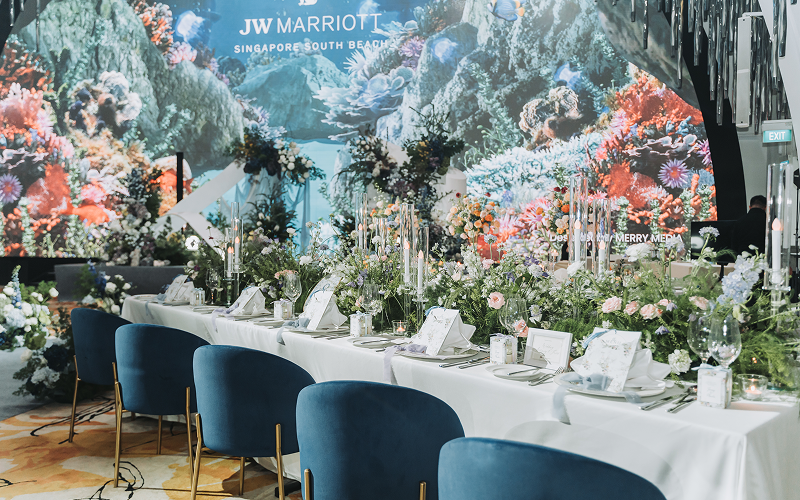
These items are often allocated as coordinated sets rather than being drawn from a single, untouched stockpile. Once portions of a collection are assigned to different events, recreating a fully matching configuration becomes challenging. This is particularly important for organisers who prioritise visual cohesion, as photographs, stage backdrops, and wide-angle venue shots highlight inconsistencies more than expected. Securing key pieces early helps preserve a unified look, reducing the likelihood of mixing styles or finishes at the last moment.
What to Do When Planning on Short Notice
A compressed timeline does not automatically mean limited outcomes; however, it does require a more flexible mindset. Revisiting the layout, exploring alternative finishes, or adjusting guest numbers can often unlock viable options. Early and transparent communication with suppliers makes a significant difference, allowing planners to gain a clear view of what is realistically available within existing allocations, instead of relying on assumptions. Limited inventory can also encourage smarter configuration. A refined seating plan or a slightly different table style may still support the intended flow and guest comfort. Even if the original selection is no longer feasible, experienced suppliers are usually able to suggest substitutions that preserve functionality and visual balance. Open dialogue, even at short notice, creates room for practical solutions, and the earlier that conversation begins, the more adaptable the outcome tends to be.
How Early Coordination Reduces Planning Risk
Furniture choices affect much more than a venue's appearance. They influence guest movement, catering team circulation, stage visibility, and comfortable adherence to safety requirements. When confirmed early within an event planning timeline, suppliers can align delivery routes, setup windows, and dismantling schedules with the venue's operating protocols. This is especially important in locations with restricted loading hours, shared access points, or back-to-back events. Advance coordination also eases pressure on the event day. Installations follow a defined sequence rather than reacting to real-time constraints. Adjustments can be resolved before guests arrive, instead of during active programme segments. From a risk management perspective, early planning reduces unnecessary friction. Furniture shifts from being a late logistical concern to an integrated part of the overall execution strategy, supporting smoother delivery from start to finish.
Conclusion
Furniture availability in Singapore is influenced by several factors beyond just the event date. Rotational inventory, overlapping installations, and seasonal demand all affect how furniture is allocated. During peak event planning seasons, these variables become more pronounced, leaving less room for delays. For events requiring premium collections or large, matching quantities, early discussion ensures better alignment between scheduling and supply. Reviewing your event planning timeline at the appropriate stage can help avoid last-minute substitutions and preserve the intended layout and atmosphere. Events Partner works closely with organisers to advise on practical booking windows, assess event furniture availability, and align spatial requirements with inventory capacity. Our experience across corporate events, exhibitions, weddings, and private functions enables decisions to be grounded in operational realities rather than assumptions. If your event dates are approaching and layouts are being finalised, contact our team today to review availability and booking timelines.





 Fleet Deployment Rates
 Payment Methods
 FAQ
FAQ